What this guide helps you decide.
- Spend the first five nights around Ubud if culture, temples, rice terraces, and Mount Batur matter most.
- Move south for the final part of the week so Canggu, Tanah Lot, Uluwatu, and Jimbaran feel natural instead of forced.
- A private driver or locally planned tour makes the one-week route much smoother than switching transport all day.
- This 7-day Bali itinerary works best when you choose one strong focus per day instead of stacking every famous stop.
A 7-day Bali itinerary gives you enough time to feel the island's range: Ubud's temples and rice fields, Mount Batur's volcanic sunrise, the cliff-and-ocean drama of the south, and a few slower moments that make the trip feel personal.
Bali is easy to fall for because it rewards different travel styles in the same week. You can start the day in a temple courtyard, pass through jungle roads and rice terraces, eat lunch with a volcano view, then finish another evening near the surf.
The key is planning by area. Bali traffic can turn a beautiful route into a tiring day if you zigzag too much. This guide keeps the week practical, with Ubud first, Canggu next, and Uluwatu or Jimbaran as the final coastal finish.
Quick reference for your 7-day Bali itinerary
Use this table as the backbone, then adjust based on your hotel area, travel pace, and how much early-morning adventure your group actually wants.
| Day | Area | Highlights | Where to Stay |
|---|---|---|---|
| Day 1 | Ubud | Royal Palace, Art Market, Saraswati, Pura Dalem, Monkey Forest | Ubud |
| Day 2 | North Ubud | Tegallalang, Tirta Empul, Gunung Kawi, Goa Gajah | Ubud |
| Day 3 | Kintamani / Ubud | Mount Batur sunrise, hot springs or rafting add-on | Ubud |
| Day 4 | East Bali | Besakih, Tirta Gangga, Lempuyang, Goa Lawah | Ubud |
| Day 5 | North Bali / Bedugul | Waterfalls, lake temples, Handara Gate, Jatiluwih | Ubud |
| Day 6 | Canggu / Tanah Lot | Taman Ayun, Alas Kedaton, Tanah Lot, beach club sunset | Canggu |
| Day 7 | Uluwatu / Jimbaran | GWK, Uluwatu Temple, Kecak Fire Dance, Jimbaran seafood | Jimbaran or Uluwatu |
Bali basics before you plan one week
Bali sits inside Indonesia, a huge island nation, but its culture feels distinct. Most Balinese people practice Hinduism, and you will see that daily in offerings, temple ceremonies, architecture, dance, and village life. That is one reason Bali feels different from many other Indonesian destinations.
The relaxed feeling can make visitors assume planning is optional. For a full month, maybe. For one week in Bali, planning matters. Distances look small on a map, but traffic, ceremonies, mountain roads, port timing, and beach-club sunset crowds can change the whole rhythm of the day.
- Group sights by area instead of chasing scattered icons
- Use Ubud as the base for culture and inland nature
- Save the southern beaches and cliffs for the end of the trip
Best time to follow this 7-day Bali itinerary
The dry season, roughly April to October, is the easiest period for a first Bali trip. You usually get better conditions for Mount Batur, waterfalls, outdoor temples, and beach sunsets. July and August can be busy, so book earlier if you are traveling then.
The wet season, roughly November to March, is not automatically bad. Bali becomes greener, hotels can be better value, and waterfalls often look more powerful. The trade-off is less predictable rain and occasional delays. Christmas and New Year are a peak window, so budget travelers should avoid that period if possible.
Day 1: Arriving in Ubud
Start gently. After airport arrival or a hotel transfer, Ubud gives you enough culture without needing a long drive. Begin around the center with Puri Saren Agung, better known as Ubud Royal Palace, then walk toward Ubud Art Market for souvenirs, textiles, and easy first-day browsing.
Haggling at the market is normal, but keep it friendly. Offer calmly, smile, and walk away if the price does not feel right. Nearby, Pura Taman Saraswati gives you lotus-pond atmosphere, while Pura Dalem Ubud is useful if you are already thinking about an evening dance performance.
If your energy is still good, finish with Sacred Monkey Forest Sanctuary. Keep sunglasses, food, and loose items secured. The monkeys are used to visitors, but they are still quick and confident.


Where to stay in Ubud for days 1 to 5
Ubud is the smartest first base for this one-week Bali travel guide because it gives you access to temples, rice terraces, rafting, waterfalls, Mount Batur pickups, and quieter countryside roads.
For luxury, look at Padma Resort, Mandapa Ritz-Carlton, or Four Seasons Sayan if you want full resort comfort with strong scenery. In the mid-range, Bambu Indah, 11 on Kajeng, and Uma Kalai fit travelers who want character without losing comfort. Budget travelers can compare Grand Sehati Inn and Spa, Artotel Haniman, and Tegal Sari for a more practical Ubud stay.
Day 2: Rice terraces and temple trail
Make day two your classic Ubud itinerary day. Start early at Tegallalang Rice Terraces before the heat and photo crowds build. The terraces are famous for a reason, but the morning is when they still feel like landscape rather than a queue.
Continue to Tirta Empul Temple, where sacred spring water and purification pools give the stop a living ritual atmosphere. If you join the water ritual, dress respectfully and follow local guidance. Nearby Pura Gunung Kawi brings a more ancient, stone-carved mood, while Goa Gajah, or Elephant Cave, adds the dramatic carved entrance and a different historical layer.
This is a day where a driver helps. The stops are not difficult, but connecting them smoothly matters.

Day 3: Conquering Mount Batur
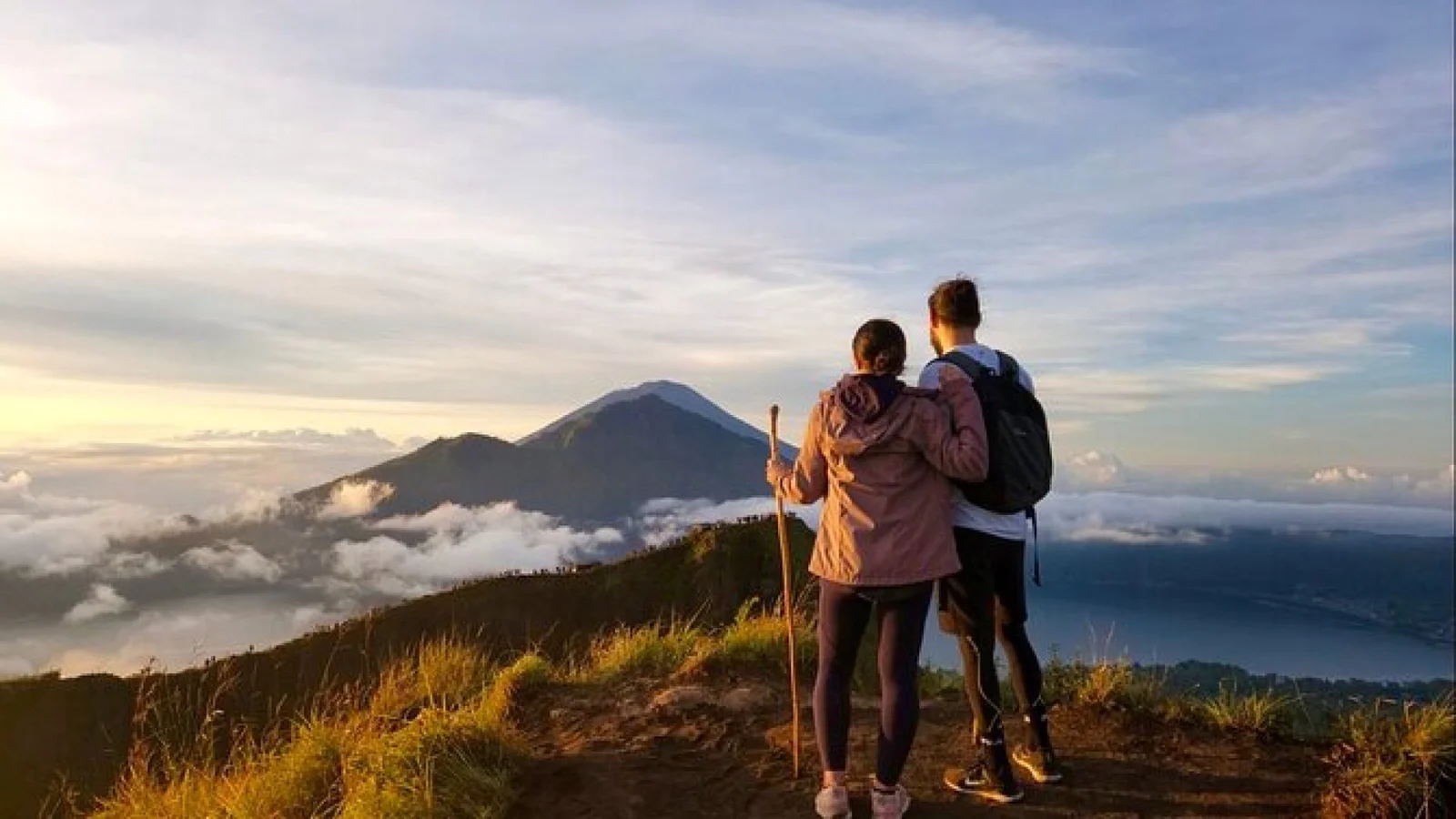
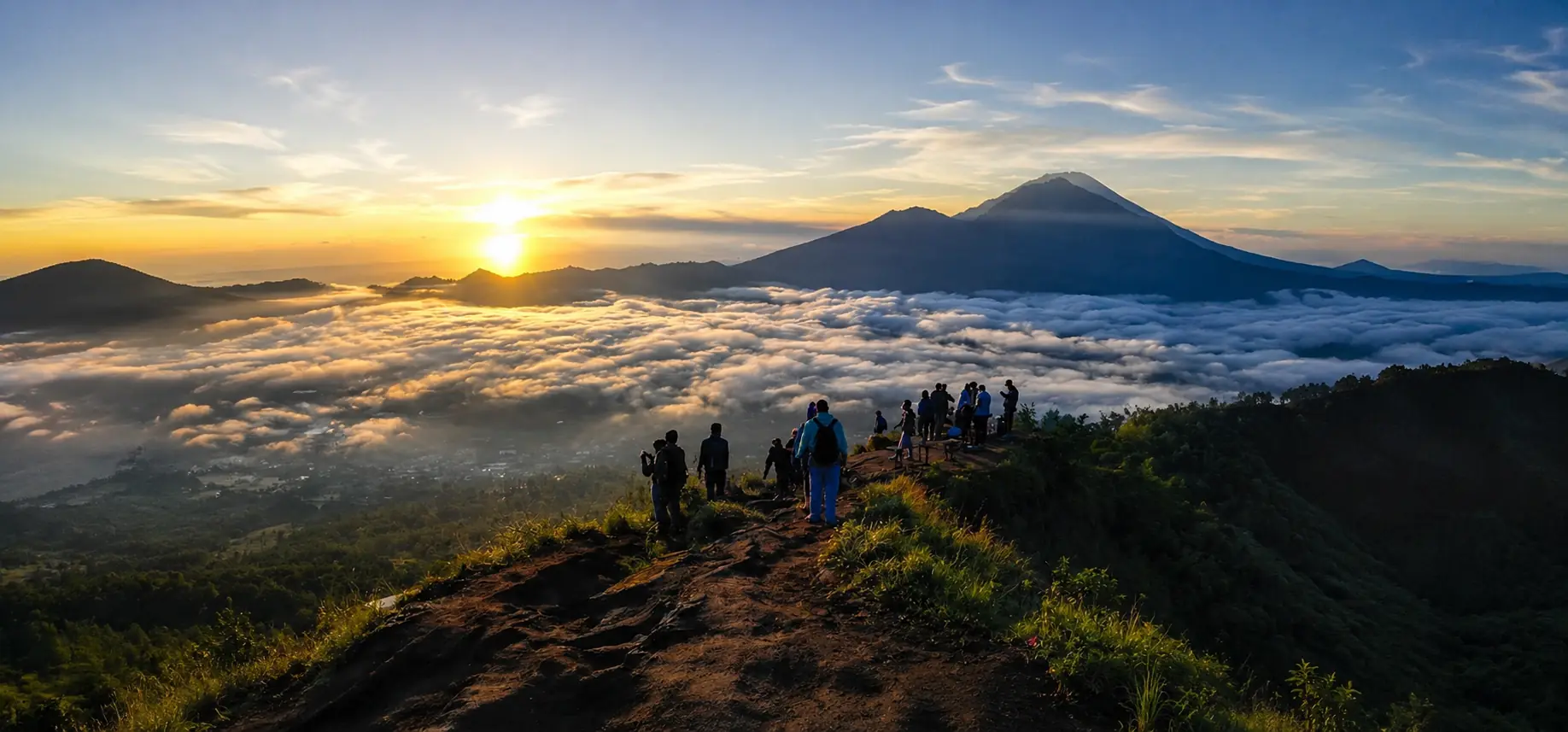
Day three is the early alarm day. Most Mount Batur sunrise trek pickups begin deep in the night, and many travelers start moving around 2:30 a.m. depending on hotel area. The hike itself is usually around 90 minutes to two hours for many groups, with loose volcanic ground and cooler summit air.
The reward is the sunrise over Kintamani, Lake Batur, and the volcanic ridge line. Breakfast is simple, often including eggs prepared with volcanic steam, but the setting makes it memorable.
After the descent, choose only one add-on. Hot springs are the softest option. White water rafting is more active. Campuhan Ridge Walk at sunset is gentle if you return to Ubud and still have energy.
Day 4: East Bali temple circuit
East Bali is a long but beautiful day, so leave early. Pura Besakih, often called Bali's mother temple, sits on the slopes of Mount Agung and includes a large temple complex rather than one small stop. Respect local access rules, especially around inner stairways and worship areas.
From there, Tirta Gangga Water Palace gives the day a softer visual break with ponds, gardens, stepping platforms, and carp pools. Pura Lempuyang is famous for the Gates of Heaven view toward Mount Agung, but expect queues if you want the classic photo. Sunrise or late afternoon can feel better than midday.
If time allows, Pura Goa Lawah adds a different mood with its bat cave temple and coastal-road location.


Day 5: North Bali and Bedugul off the beaten path
Day five is for travelers who want cooler mountain air, lakes, waterfalls, and rice-field scale. The Bedugul area gives you Lakes Tamblingan, Buyan, and Bratan, with misty weather that can make the region feel completely different from the coast.
Waterfall lovers can look at Banyumala Twin, Git Git, or Sekumpul. Sekumpul is more demanding but often more rewarding. Ulun Danu Beratan Temple is the signature lake stop, especially when the water and weather create the floating-temple effect. Handara Gate is a quick photo stop near the golf course entrance, with a small parking or photo fee often around IDR 30,000.
If your group loves rice terraces, Jatiluwih is the big finish. The roads can feel serious, so this is a day where hiring a driver is worth it.

Day 6: Moving south to Canggu
After five nights inland, move south. On the way to Canggu, stop at Taman Ayun Temple, a UNESCO-listed water-temple landscape that feels calmer than many headline temples. Alas Kedaton can add a forest-temple stop with monkeys if your group still wants animal encounters.
Aim to reach Tanah Lot for sunset. The temple sits offshore and looks strongest from the coastline when the sky starts changing. You do not need to overcomplicate this stop; the shore view is the point.
Finish in Canggu if you want a livelier beach evening. FINNS Beach Club is the big-name option, with multiple bars, kitchens, sunset energy, and event-style nights. Book ahead if you care about a specific seating area.

Where to stay in Canggu for day 6
Canggu works best as a short beach-energy stop in this route. For luxury, compare The Slow, Astera Resort Canggu, and Ametis Villa. For mid-range stays, look at Hotel Sages, Chesa Canggu, Citadines Berawa Beach, Umpadhi Canggu, and Eastin Ashta Resort. For a tighter budget, Frii Bali Echo Beach keeps you close to the coastal action.
Choose your area carefully. Staying near your dinner, beach club, or surf plan can save more stress than choosing a slightly nicer room farther away.
Day 7: Uluwatu and Jimbaran farewell
Use the final day for Bali's southern cliffs. Start at GWK Cultural Park if you want a large-scale cultural landmark, the Garuda statue, casual food options, and dance-show atmosphere. Then continue toward Uluwatu Temple, where the clifftop setting gives the day its strongest view.
The Kecak Fire Dance at Uluwatu is one of the best final-night choices in Bali. Arrive early because sunset seating fills quickly, and keep loose items secure around the temple area.
Close the week with seafood barbecue at Jimbaran Bay. It is not the quietest dinner in Bali, but for a farewell night, grilled seafood, sand, and airport-friendly location make sense.

Where to stay in Jimbaran or Uluwatu
For a luxury final night, AYANA Villas, Four Seasons Jimbaran, and Temple Hill Residence fit travelers who want a stronger resort finish. In the mid-range, Best Western Kamala, Kubu Kak Dudung Villas, and Bali Paragon Resort are more practical. Budget travelers can compare Bali Breezz Hotel, Poedja Villa, and Zuri Express Jimbaran.
Choose Jimbaran if airport access and seafood dinner matter most. Choose Uluwatu if cliffs, surf views, and a more dramatic final setting matter more.
Alternative day options if you want to swap
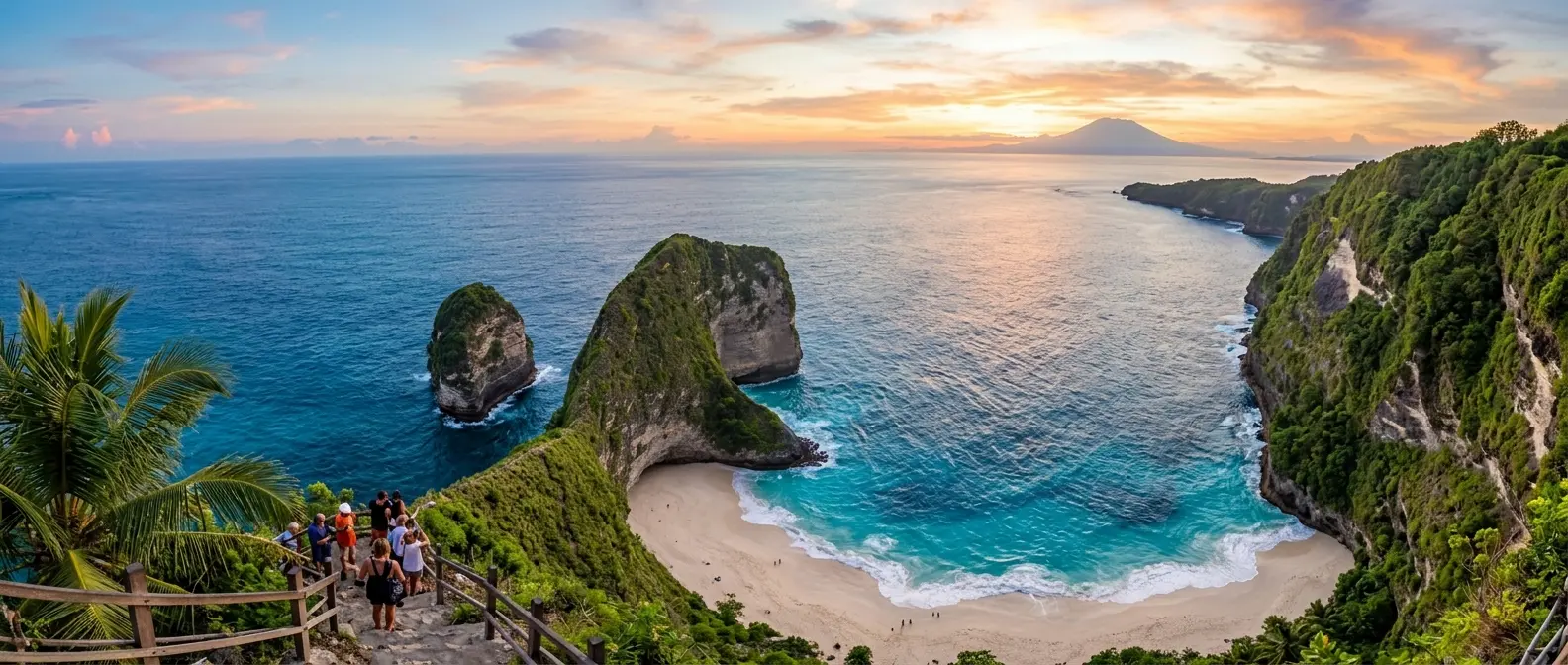
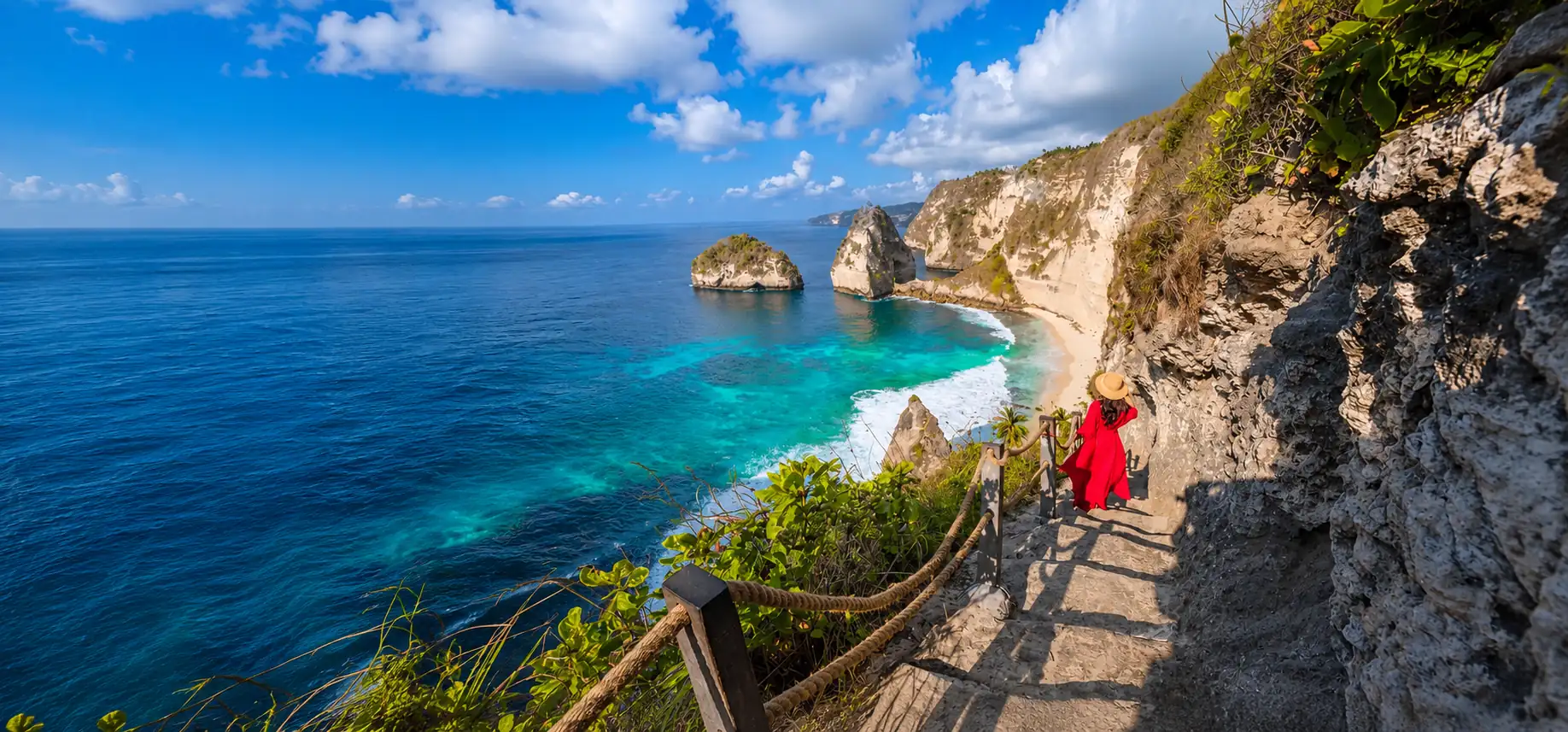
Nusa Penida is the strongest alternative if island cliffs are a priority. Kelingking Beach, Atuh Beach, Tembeling Natural Pool and Forest, Peguyangan Waterfall, Broken Beach, and the Nusa Penida Treehouse can all be part of a longer island plan, but one day should stay focused.
Gili Air is better if you want a slower island mood: cycling around the perimeter, snorkeling near underwater sculptures, spotting sea turtles, and eating at simple local places. Nusa Dua is different again. It is more resort-led than itinerary-led, with hotels such as Apurva Kempinski, St. Regis, Ritz-Carlton, Melia Bali, and The Laguna.
Final thoughts on planning Bali 7 days
One week in Bali is absolutely worth it when the route is honest. You will not see everything, and that is fine. The better goal is to experience the island's strongest contrasts: Ubud's culture, Kintamani's volcano, Bedugul's greenery, Canggu's beach energy, and Uluwatu's cliffs.
Use this 7-day Bali itinerary as a smart frame, then adjust the pace around your group. The trip gets better when every day has a clear purpose and enough space to enjoy where you are.
Frequently asked questions
Yes. Seven days is enough for a strong first Bali trip if you focus on two or three bases and avoid crossing the island too often.
Start in Ubud for culture and nature, move south for beach sunsets, then finish around Uluwatu or Jimbaran for cliffs, Kecak dance, and easier airport access.
It depends heavily on hotel style. Budget travelers can keep costs modest, while private drivers, premium resorts, beach clubs, and multiple day trips raise the total quickly.
Yes, especially if you plan by region. One week gives enough time for temples, rice terraces, Mount Batur, waterfalls, beach sunsets, and a final south Bali evening.
April to October is the easiest period for dry weather and outdoor plans. November to March can still work, especially if you want greener scenery and better-value stays.