What this guide helps you decide.
- Bali is hot, humid, traffic-heavy, and cash-friendly, so pack light and plan movement carefully.
- Private drivers make first-time Bali trips much easier than self-driving or guessing transport day by day.
- Temple etiquette, local phrases, bargaining manners, and water safety make a big difference.
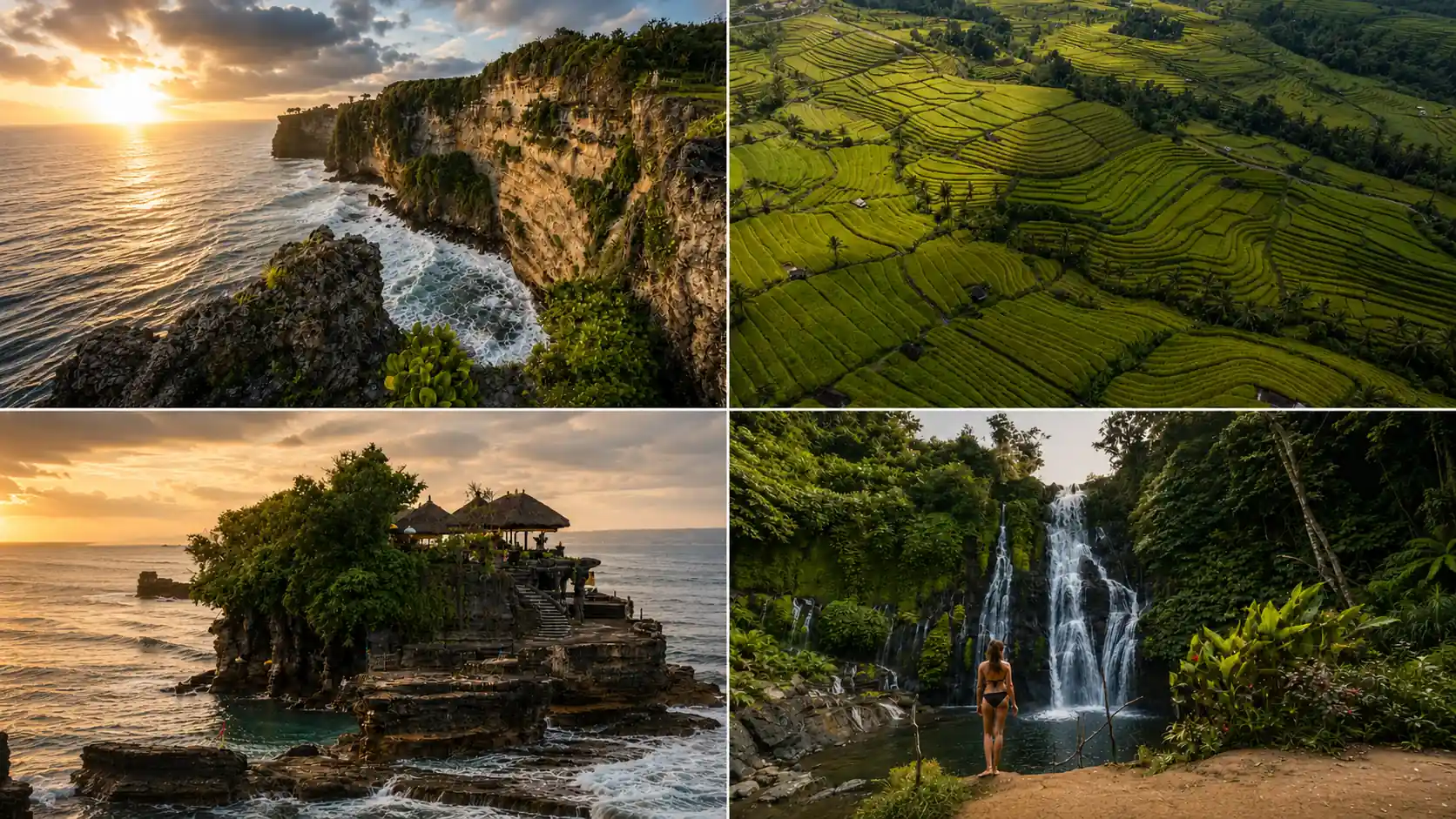
- The best first Bali trip goes beyond Kuta and Seminyak into Ubud, Mount Batur, Nusa Penida, waterfalls, villages, and rice fields.
Planning your first trip to Bali? You are not alone. Every year, travelers arrive expecting beach clubs, sunsets, waterfalls, temples, rice terraces, and Instagram spots. Bali delivers all of that, but the small local realities are what decide whether the holiday feels smooth or stressful.
This guide is written from the baseBali Tours perspective: practical, honest, and focused on helping you avoid beginner mistakes before they cost you time, money, or comfort.
Use it before choosing hotels, day trips, and activities. Then compare the best-fit options on our Bali tours and activities page when you are ready to plan the actual route.
Pack for Bali's real weather
Bali is hot and humid year-round. Even short walks can feel heavier than expected, especially in the middle of the day or after climbing temple steps, rice terrace paths, waterfall stairs, or viewpoint trails.
The dry season, roughly April to October, is usually the easiest period for outdoor-heavy trips. For a deeper breakdown, read our Best Time to Visit Bali in 2026 guide.
- Pack breathable clothes, light fabrics, sandals, and comfortable walking shoes
- Leave suitcase space for local crafts, clothes, coffee, and souvenirs
- Bring a light jacket for early Mount Batur mornings, fast boats, or higher-elevation areas


Health basics first-timers should not ignore
Bali is tropical, so treat mosquitoes, stray animals, heat, and drinking water seriously without becoming paranoid. A little prevention goes a long way.
Stray dogs are common in many areas. Most will ignore you, but it is still best not to touch, feed, or approach them because rabies risk exists in Bali.
Use mosquito repellent daily
Mosquitoes are more noticeable during the rainy season from November to March, but repellent is useful year-round, especially in gardens, rice fields, and evenings.
Never drink tap water
Use bottled or filtered water, including for brushing teeth if your stomach is sensitive. This is one of the simplest ways to avoid Bali belly.
Eat where it is busy
Busy local warungs and restaurants usually have faster food turnover. If you are unsure about ice or raw items, keep it simple.
Expect cigarette smoke
Smoking is common in open-air spaces, warungs, and some restaurants. Choose air-conditioned or clearly non-smoking venues if this bothers you.
Learn a few local words
Balinese hospitality is warm, and small language effort is noticed. You do not need perfect pronunciation. The point is respect.
A few simple words can make driver conversations, market shopping, and small local interactions feel much friendlier.
| Phrase | Meaning |
|---|---|
| Terima kasih | Thank you in Indonesian |
| Suksma | Thank you in Balinese |
| Tolong | Please or help |
| Apa kabar? | How are you? |
| Permisi | Excuse me |
Transport decides how smooth your trip feels
Bali looks small on a map, but traffic, narrow roads, ceremonies, rain, and parking can make movement much slower than expected. This is why first-time visitors often enjoy Bali more with a private driver or arranged tour.
Self-driving can look cheaper until you factor in navigation stress, local road style, parking, insurance uncertainty, and long sightseeing days. A good driver saves energy and gives you local timing advice.
- Use Google Maps, but do not trust drive times too literally during busy hours
- Get a local SIM card or eSIM so drivers and hotels can contact you easily
- Start important sightseeing days early to beat crowds and heat
- Avoid packing distant areas into one day just because they look close online


Money, tipping, and bargaining
The Indonesian Rupiah can make first-time visitors feel like millionaires. Prices have many zeros, so take a moment to understand common denominations before paying quickly.
Cards are widely accepted in many hotels, restaurants, and larger businesses, but small cash is still important for temples, parking, markets, tips, local food, and small entrance fees.
Carry small cash
Use reputable bank ATMs and keep small denominations for markets, temples, parking, and local stalls.
Tip when service is good
Tipping is appreciated but not mandatory. IDR 10,000-50,000 is a common small thank-you for helpful service.
Bargain politely
At markets, haggling is expected. Start lower, smile, and meet somewhere fair instead of treating it like a fight.
Do not stay trapped in only Kuta and Seminyak
Kuta, Seminyak, Canggu, and the south are useful for beaches, nightlife, restaurants, shopping, and easy airport access. But the Bali many travelers remember most deeply is often outside the beach-club corridor.
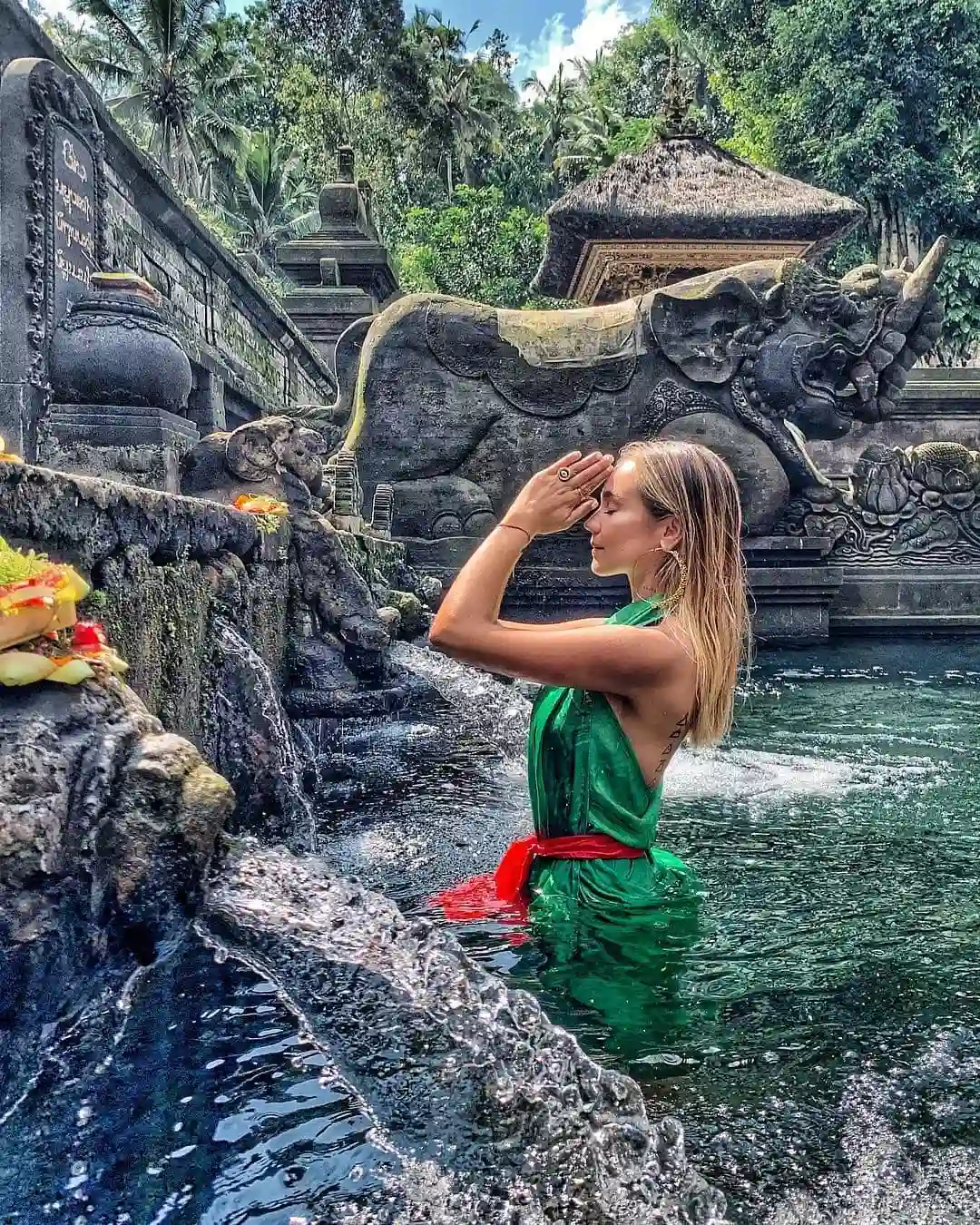
Ubud gives you rice terraces, temples, waterfalls, art, wellness, cooking, markets, and a calmer base. Kintamani and Mount Batur bring volcano scenery. Nusa Penida adds cliffs and island views. ATV and rafting routes show another side of Bali's jungle and countryside.
- Choose Ubud if you want culture, greenery, wellness, food, and day trip access
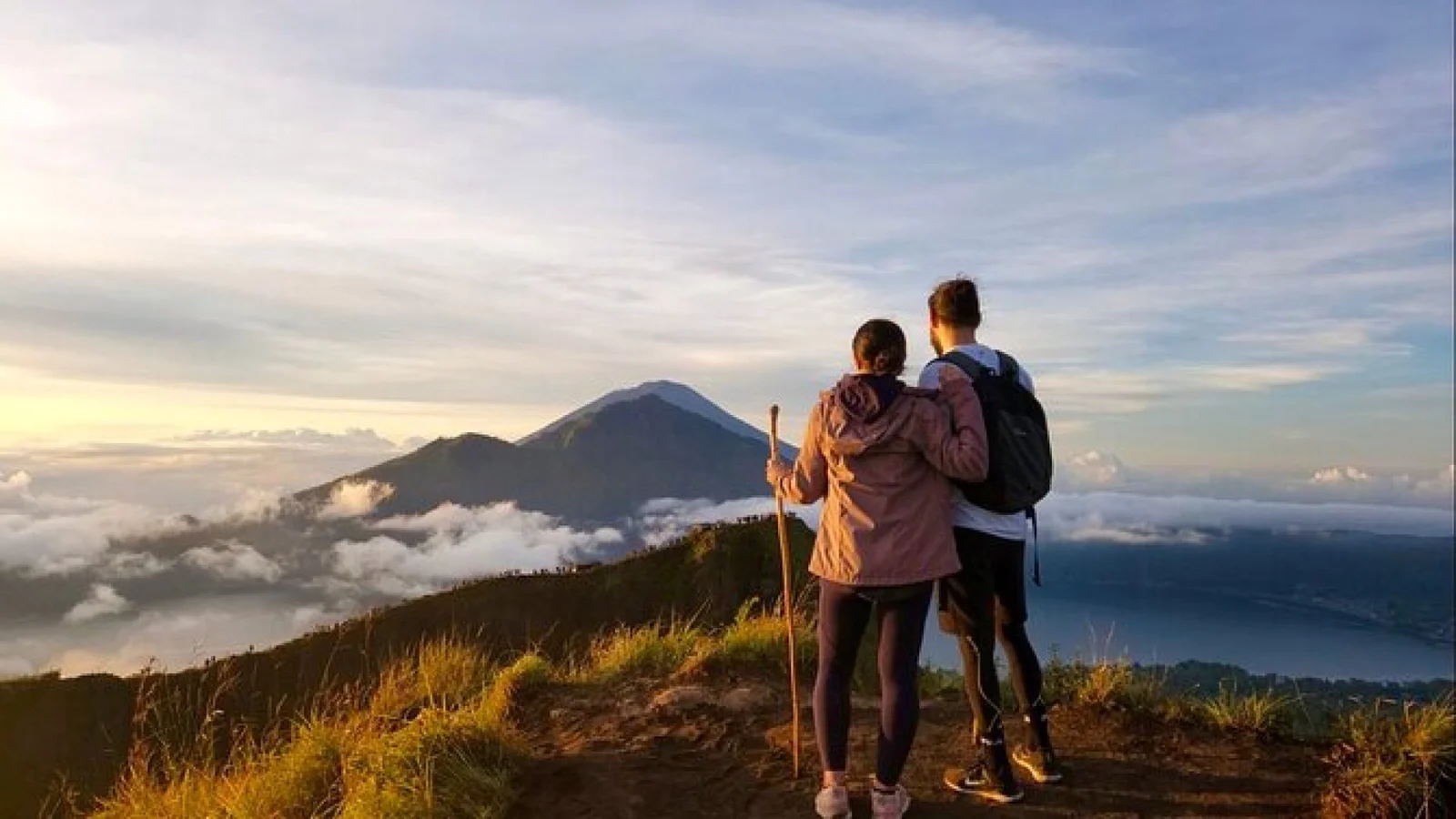
- Choose Mount Batur if you want sunrise, volcano scenery, trekking, or jeep adventure
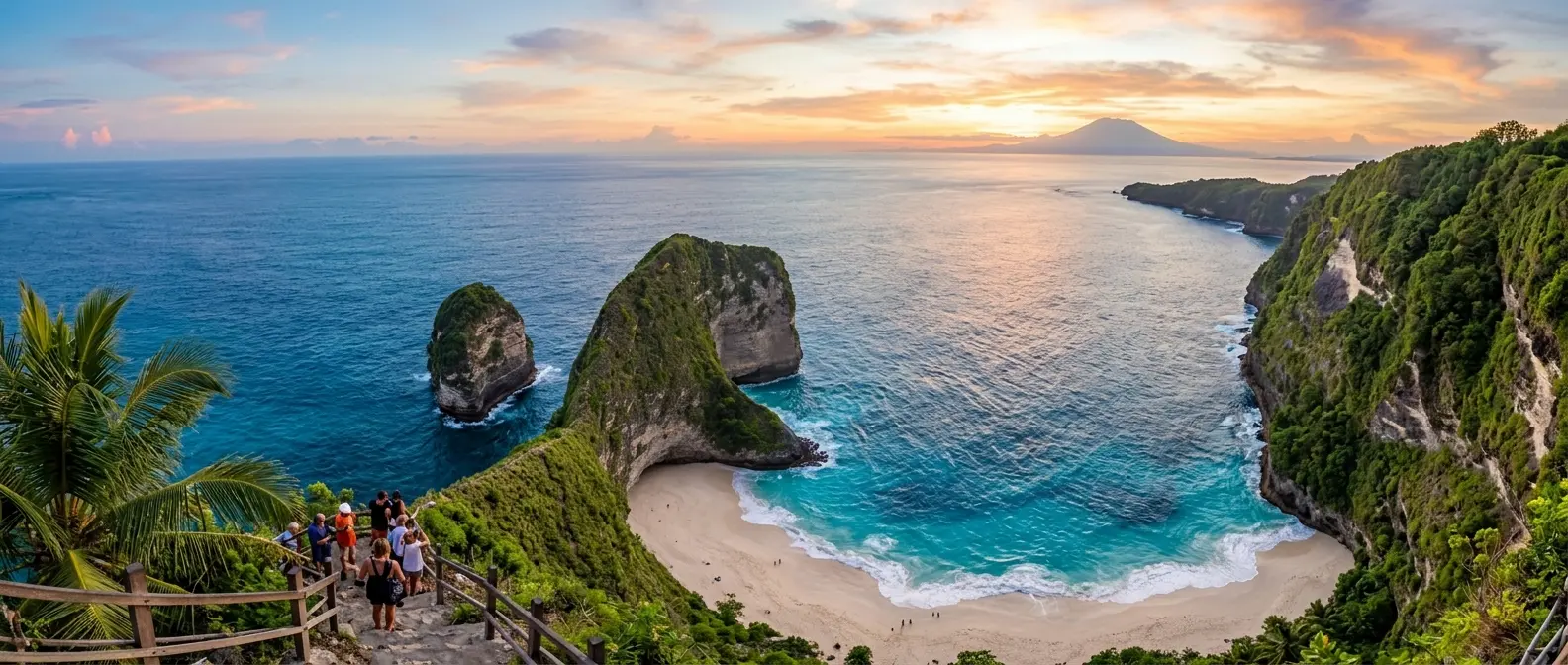
- Choose Nusa Penida if you want dramatic cliffs, beaches, and island photos
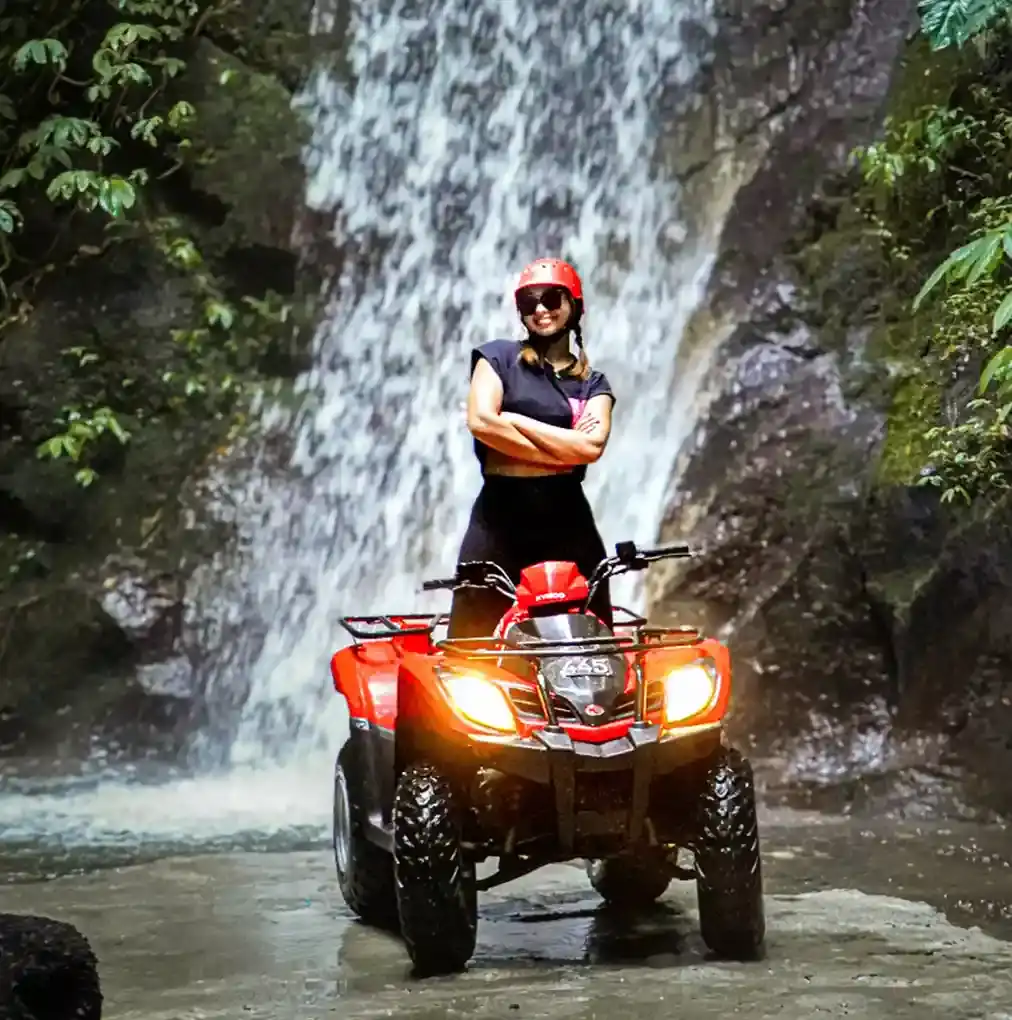
- Choose ATV or rafting if you want an active jungle-style day


Respect Bali's culture and temple rules
Bali is not only a holiday island. It is a living Hindu culture with ceremonies, offerings, family compounds, temples, and sacred spaces woven into everyday life.
You will see small offerings called canang sari on sidewalks, shop entrances, temples, roads, and doorways. Do not step on them intentionally, kick them, or move them for a photo.
- Wear a sarong and sash when entering temples
- Dress modestly around sacred places and ceremonies
- Do not climb temple structures or pose disrespectfully
- Be patient when ceremonies affect traffic or access
- Ask before photographing people during ceremonies
Food, nature, and why one trip is never enough
Bali is a strong food destination if you give it a chance. Try nasi goreng, satay, fresh seafood, local warungs, coffee stops, and regional dishes when recommended by someone you trust.
Nature is the other reason people return. Volcanoes, waterfalls, rice terraces, jungle trails, beaches, and ocean cliffs give Bali more variety than many first-time visitors expect.
That is why one trip rarely feels like enough. The best first visit should not try to do everything. It should give you a clean first taste of culture, nature, adventure, rest, and food so you already know what you want more of next time.


A smarter first-time Bali plan
If this is your first Bali trip, think in zones. Spend enough time in one area before moving to the next, and avoid crossing the island every day.
A balanced first-timer plan could include an Ubud Full Day Cultural Tour, one sunrise experience like Mount Batur Trek or Mount Batur Jeep, one adventure day such as ATV or rafting, and one island day such as West Nusa Penida.
| Travel priority | Best first-time choice |
|---|---|
| Culture and temples | Ubud cultural route, Tirta Empul, Goa Gajah, Ubud Palace |
| Sunrise and volcano | Mount Batur Sunrise Trek or Mount Batur Jeep Sunrise Day Tour |
| Adventure | KUBER ATV, Alasan ATV, Ayung River Rafting |
| Island cliffs | West or East Nusa Penida day tour |
| Easy transfers | Gili or Nusa Penida fast boat with pickup arranged |
Frequently asked questions
Five to seven days is enough for a strong first Bali trip if you focus on a few zones. Ten days or more feels better if you want Ubud, beaches, Mount Batur, and Nusa Penida without rushing.
Yes, Bali is generally easy for first-time visitors, but traffic, heat, cash habits, temple etiquette, and long travel times can surprise people who do not plan ahead.
For sightseeing days, yes. A private driver is often the easiest and most comfortable way to explore Bali, especially for Ubud, temples, waterfalls, Mount Batur, and full-day routes.
No. Stick to bottled or filtered water, and be careful with ice or raw foods if you have a sensitive stomach.
Avoid overpacking the itinerary, underestimating traffic, drinking tap water, disrespecting temple rules, driving without confidence, and visiting only beach-club areas.