What this guide helps you decide.
- Blue Lagoon and Tanjung Jepun are the easiest first-time snorkeling picks near Padangbai.
- Crystal Bay can suit beginners only when conditions inside the bay are calm.
- Amed and Tulamben are stronger choices for confident swimmers who enjoy shore-entry reefs and wreck scenery.
- Manta Point, Gamat Bay, Toyapakeh, and exposed Nusa Penida spots are best for strong swimmers with guide support.
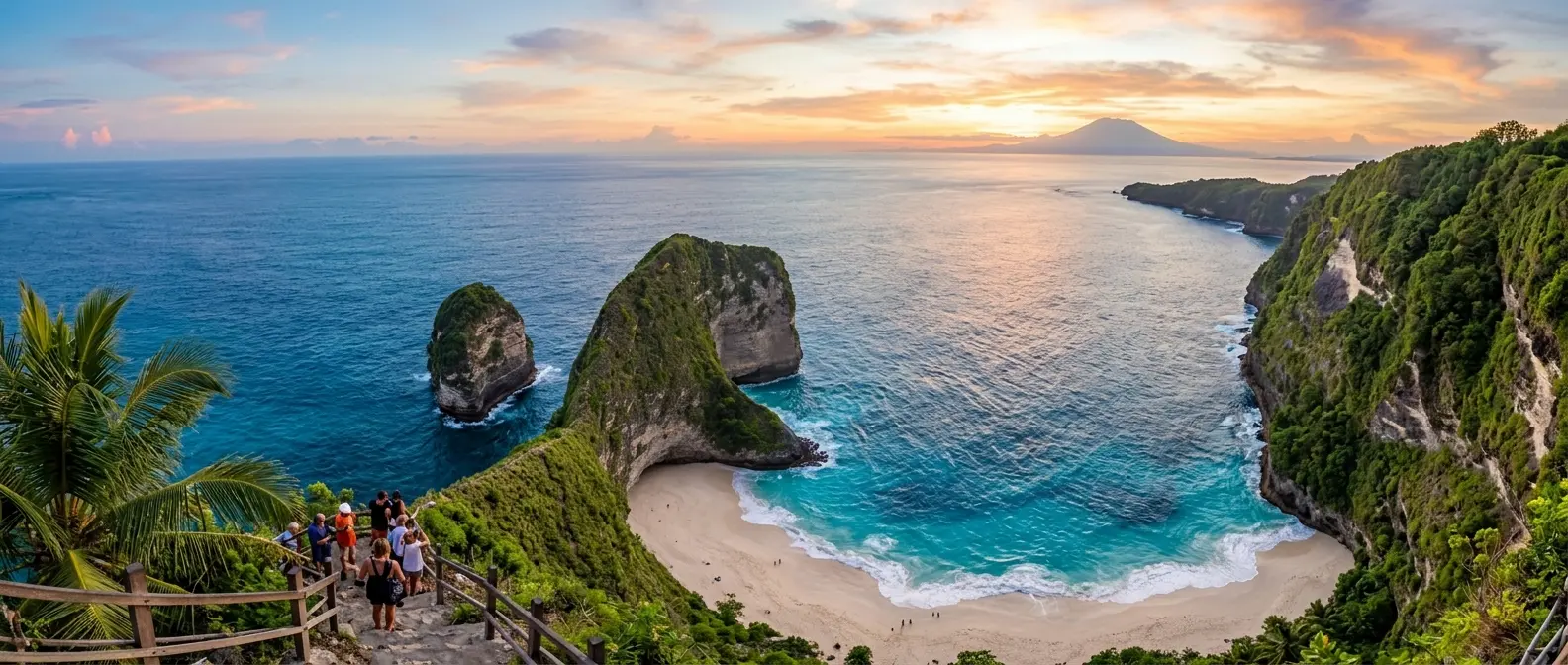
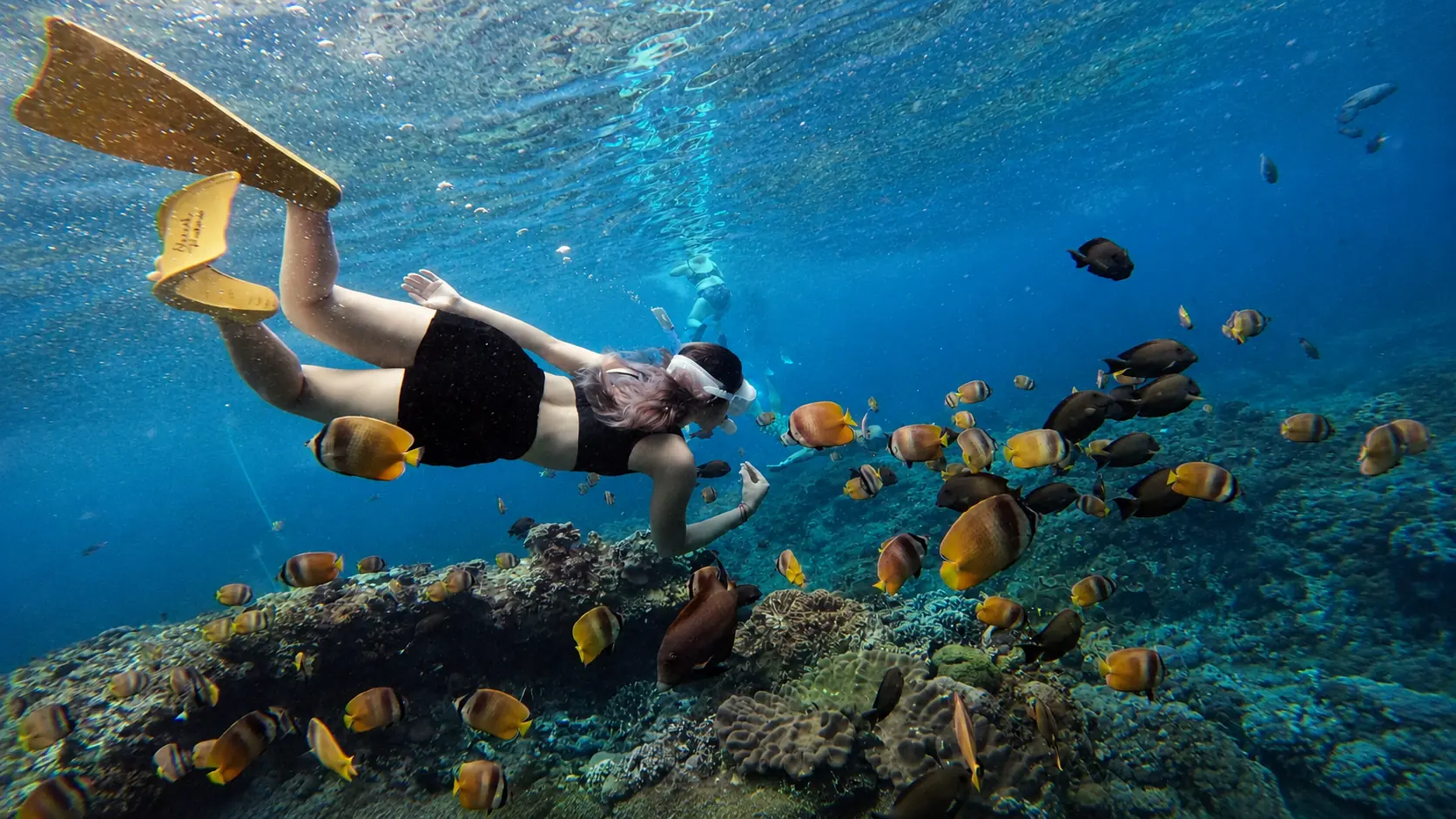
Bali is famous for beaches, temples, waterfalls, and rice terraces, but some of the island's most beautiful scenery is found below the surface.
From the calm bays of Padangbai to the coral gardens of Amed, the shipwreck at Tulamben, the protected reefs of Menjangan Island, and the current-swept waters surrounding Nusa Penida, Bali offers snorkeling experiences for almost every skill level.
The important part is choosing honestly. Some locations are comfortable for first-time snorkelers. Others require confident swimming, boat entry, longer distances, or experience dealing with waves and currents.
Bali snorkeling by skill level: quick guide
Sea conditions can change because of waves, wind, tides, and currents. A location that feels comfortable one morning may be more challenging later in the day, so the final snorkeling location should always follow the assessment of the guide and boat captain.
| Skill level | Recommended snorkeling spots |
|---|---|
| Beginner | Blue Lagoon and Tanjung Jepun, Menjangan Island, Crystal Bay under suitable conditions |
| Intermediate | Jemeluk Bay, Lipah Beach, Japanese Shipwreck in Amed, USAT Liberty in Tulamben |
| Advanced | Manta Point, Gamat Bay, Toyapakeh, and current-affected Nusa Penida locations |
What is your snorkeling level?
Before choosing a destination, think about your real ability in open water rather than how many snorkeling tours you have joined before. Confidence, calm breathing, and listening to the guide matter more than trying to tick off the most famous location.
Beginner snorkeler
You are probably a beginner if you have never snorkeled before, are not a confident swimmer, need a life jacket, feel nervous when you cannot touch the bottom, or prefer calm water with close supervision.
- Choose sheltered locations
- Stay close to the guide
- Wear a life jacket if you are unsure
- Avoid exposed offshore snorkeling spots
Intermediate snorkeler
You may be an intermediate snorkeler if you can swim confidently without assistance, enter from a beach or boat, snorkel continuously for 20-30 minutes, clear water from your mask, and stay calm in mild waves.
- Explore larger reef areas with guide awareness
- Use reef shoes for rocky shore entries
- Avoid strong current locations unless the guide approves
Advanced snorkeler
Advanced snorkeling means you are a strong open-water swimmer, comfortable above deep water, familiar with boat entry, and able to follow safety instructions immediately in moving water.
- Do not enter when the captain says conditions are unsuitable
- Treat drift snorkeling seriously
- Never separate from the guide or boat
Best beginner snorkeling spots in Bali
1. Blue Lagoon and Tanjung Jepun, Padangbai
Blue Lagoon is one of the most convenient beginner-friendly snorkeling destinations in Bali. Located near Padangbai in East Bali, the area is known for clear water, coral formations, tropical fish, and relatively sheltered conditions when the weather is suitable.
Most guided trips combine Blue Lagoon with nearby Tanjung Jepun. The two locations provide different underwater scenery without requiring visitors to travel far between snorkeling sessions.
- Best for first-time snorkelers, families, and travelers staying in South or Central Bali
- Short boat journey from Padangbai
- Life jackets are normally available
- Convenient for a day trip from Ubud, Sanur, Kuta, Seminyak, or Canggu


2. Menjangan Island, West Bali
Menjangan Island is part of West Bali National Park and is one of Bali's most highly regarded marine destinations. The island is known for clear water, natural coral reefs, marine life, and snorkeling locations reached by boat.
Under suitable conditions, several areas around Menjangan can be comfortable for beginners because snorkeling groups are usually accompanied by local guides and supported by a boat. The trade-off is distance: from South Bali or Ubud, this is a long day unless you stay overnight nearby.
- Best for travelers who want excellent coral and do not mind the journey
- Clear water in suitable weather
- Less hectic than many popular snorkeling areas near South Bali
- Better for guests staying in Pemuteran, Lovina, or northwest Bali

3. Crystal Bay, Nusa Penida
Can beginners go snorkeling in Nusa Penida? Yes, but the location and conditions must be chosen carefully. Among Nusa Penida's well-known snorkeling locations, Crystal Bay is generally the most approachable option for beginners when the inner bay is calm.
Beginners should stay inside the bay, remain close to their guide, wear a life jacket, and avoid swimming toward the channel beside the small rocky island.
- Best for beginners who specifically want Nusa Penida snorkeling
- Beach access is possible
- Shallow areas can be found closer to shore
- Should be treated as beginner-friendly only under suitable sea conditions

Best intermediate snorkeling spots in Bali
4. Jemeluk Bay, Amed
Amed is one of Bali's most popular coastal areas for snorkeling, freediving, and scuba diving. Jemeluk Bay is one of its best-known snorkeling spots, with shallow reef sections, coral, reef fish, and underwater structures.
Because visitors often explore directly from shore and swim across larger areas, Jemeluk is better for confident beginners or intermediate snorkelers than nervous first-timers.
- Best for confident swimmers who want colorful reefs and shore access
- Larger area to explore than a typical beginner tour
- Good for travelers who enjoy independent exploration with guide awareness


5. Lipah Beach and the Japanese Shipwreck, Amed
Lipah Beach offers coral gardens and access to several underwater areas along the Amed coastline. Farther east, the Japanese Shipwreck near Banyuning is another popular snorkeling location where parts of the wreck and surrounding reef can be seen from the surface when visibility is good.
These sites are more appropriate for intermediate snorkelers because entry may involve rocky beaches, longer swimming distances, deeper water, or sections exposed to changing conditions.
- Best for snorkelers comfortable swimming farther from shore
- Good mix of coral, fish, and wreck scenery
- Reef shoes are helpful for stony or uneven entry points

6. USAT Liberty Shipwreck, Tulamben
The USAT Liberty is one of Bali's most famous underwater attractions. The shipwreck rests close to the shoreline at Tulamben, with shallow sections visible to snorkelers when the water is clear.
Tulamben has a black pebble shoreline rather than soft sand. Entering and leaving the water can be uncomfortable when waves are present, which is why it may not be the best choice for a nervous first-timer.
- Best for confident snorkelers interested in wrecks and marine life
- Shore entry without a long offshore boat journey
- Deeper and more detailed wreck sections require scuba diving or trained freediving

Best advanced snorkeling in Bali
Nusa Penida offers some of Bali's most exciting snorkeling, but it also has some of the most challenging conditions. The channels around Nusa Penida and Nusa Lembongan can experience changing currents, deeper water, and exposed boat entries.
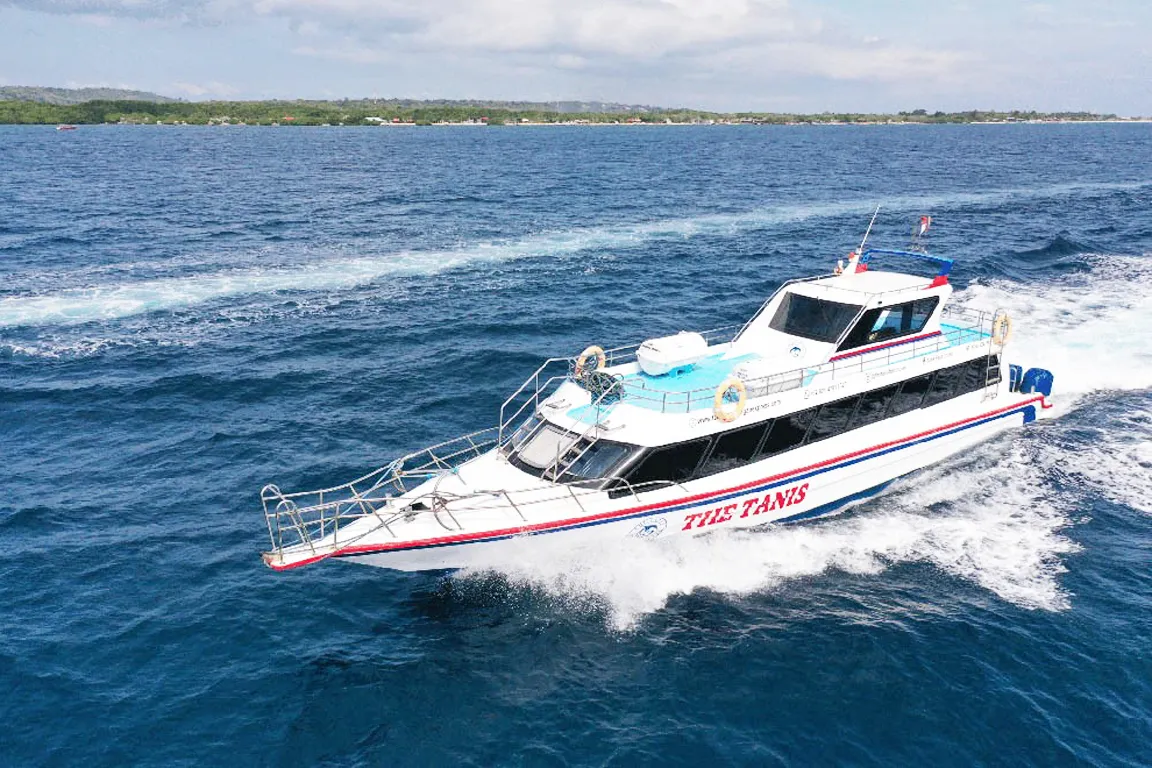
If your group wants Nusa Penida scenery with transport and boat timing arranged, compare the Nusa Penida full day tour and Nusa Penida fast boat ticket pages before deciding whether snorkeling fits your day.
7. Manta Point
Manta Point is one of the most famous locations around Nusa Penida. Visitors come here hoping to see reef manta rays near their cleaning areas, but sightings are natural encounters and can never be guaranteed.
The location is relatively exposed and can involve swell, waves, deep water, and boat entry. It should not automatically be marketed as a beginner snorkeling location.

8. Gamat Bay
Gamat Bay is known for coral scenery and clear water, but currents can move through the area and may become difficult for inexperienced swimmers. It should only be visited when the captain considers the conditions appropriate.

9. Toyapakeh
Toyapakeh has extensive coral reefs and rich marine life. It is also influenced by currents moving through the channel between islands, which makes it better for experienced swimmers who stay close to the guide and boat.

Which Bali snorkeling destination should you choose?
Choose Blue Lagoon if
- You are snorkeling for the first time
- You are staying in Ubud or South Bali
- You prefer a simple half-day or full-day experience
- You want coral and fish without a long boat crossing
Choose Menjangan Island if
- You want high-quality coral scenery
- You prefer a quieter marine environment
- You are staying in North or West Bali
- You do not mind a long drive or overnight stay
Choose Amed or Tulamben if
- You are already comfortable snorkeling
- You enjoy shore-accessible reefs and small wrecks
- You want to combine snorkeling with a relaxed East Bali stay
- You are comfortable with rocky beach entries in some areas
Choose Nusa Penida offshore snorkeling if
- You are a strong swimmer
- You have open-water snorkeling experience
- You are comfortable entering from a boat
- You understand that waves and currents may change the itinerary
Can non-swimmers go snorkeling in Bali?
Non-swimmers may be able to join selected beginner-friendly snorkeling activities, particularly at Blue Lagoon or another sheltered location, but they must tell the operator before booking. A life jacket helps with flotation, but it does not remove all ocean risks.
Private snorkeling is often more suitable than a large shared trip because the guide can give closer attention.
- Wear a properly fitted life jacket
- Stay directly beside an in-water guide
- Use a flotation ring when provided
- Avoid rough or crowded water
- Follow instructions immediately
- Never enter the water alone
Best time for snorkeling in Bali
Snorkeling is available in Bali throughout much of the year, but visibility and comfort depend on local weather and sea conditions. Morning departures are often preferred because the wind may be lighter and popular areas may be less crowded.
Conditions also vary between regions. Amed may be comfortable while Nusa Penida is rough, or the opposite may happen. Always check the local marine forecast and follow the operator's decision.
What to bring on a Bali snorkeling trip
- Swimwear
- Towel
- Dry clothes
- Reef-safe sunscreen
- Drinking water
- Waterproof phone pouch
- Motion-sickness medicine if needed
- Waterproof camera with a secure strap
- Cash for personal expenses
- Reef shoes for rocky shore entries
Book the right Bali snorkeling experience
The best snorkeling tour is not necessarily the one visiting the greatest number of locations. It is the one that matches your swimming ability, confidence, travel plans, and the sea conditions on the day.
For first-time snorkelers, Blue Lagoon, Tanjung Jepun, Menjangan Island, and calm sections of Crystal Bay are the strongest options. Travelers with more experience can explore Amed and the USAT Liberty Shipwreck, while confident open-water swimmers can consider the more challenging snorkeling locations around Nusa Penida.
When contacting baseBali Tours, share your hotel location, travel date, number of participants, swimming ability, previous snorkeling experience, and whether anyone is a non-swimmer. That helps us recommend the safest and most comfortable plan.
Frequently asked questions
Blue Lagoon and Tanjung Jepun near Padangbai are among the most convenient choices for first-time snorkelers. Menjangan Island is another excellent option for travelers staying in North or West Bali.
Yes. Crystal Bay can be beginner-friendly when the inner bay is calm. Beginners should wear a life jacket, remain close to a guide, and avoid the channel near the rocky island.
Nusa Penida is not automatically dangerous, but some locations experience strong currents, waves, deep water, and exposed conditions. Choosing a professional operator and following the captain's decision are essential.
Some shallow areas in Amed may suit confident beginners, especially with a guide. Because visitors often explore directly from shore and swim across larger areas, Amed is generally better classified as beginner-to-intermediate.
Yes. The shallowest sections of the wreck begin close enough to the surface to be visible during good conditions. The deeper sections require scuba diving or trained freediving.
No. Manta rays are wild animals, and sightings cannot be guaranteed. The snorkeling location may also be changed or cancelled when conditions are unsuitable.
Strong swimming skills are recommended. Non-swimmers may join selected beginner experiences with a life jacket and close guide assistance, but they must inform the operator in advance.