What this guide helps you decide.
- The main Uluwatu Kecak performance runs daily from 18:00 to 19:00 WITA, subject to weather and operational changes.
- Current listed tickets are IDR 150,000 for adults and IDR 75,000 for children aged 2-9; temple entry and parking are separate.
- Arrive around 16:00-16:30 to allow time for the temple, tickets, sunset seating, and traffic delays.
- Kecak uses a layered male vocal chorus instead of a gamelan orchestra and presents a condensed Ramayana story.
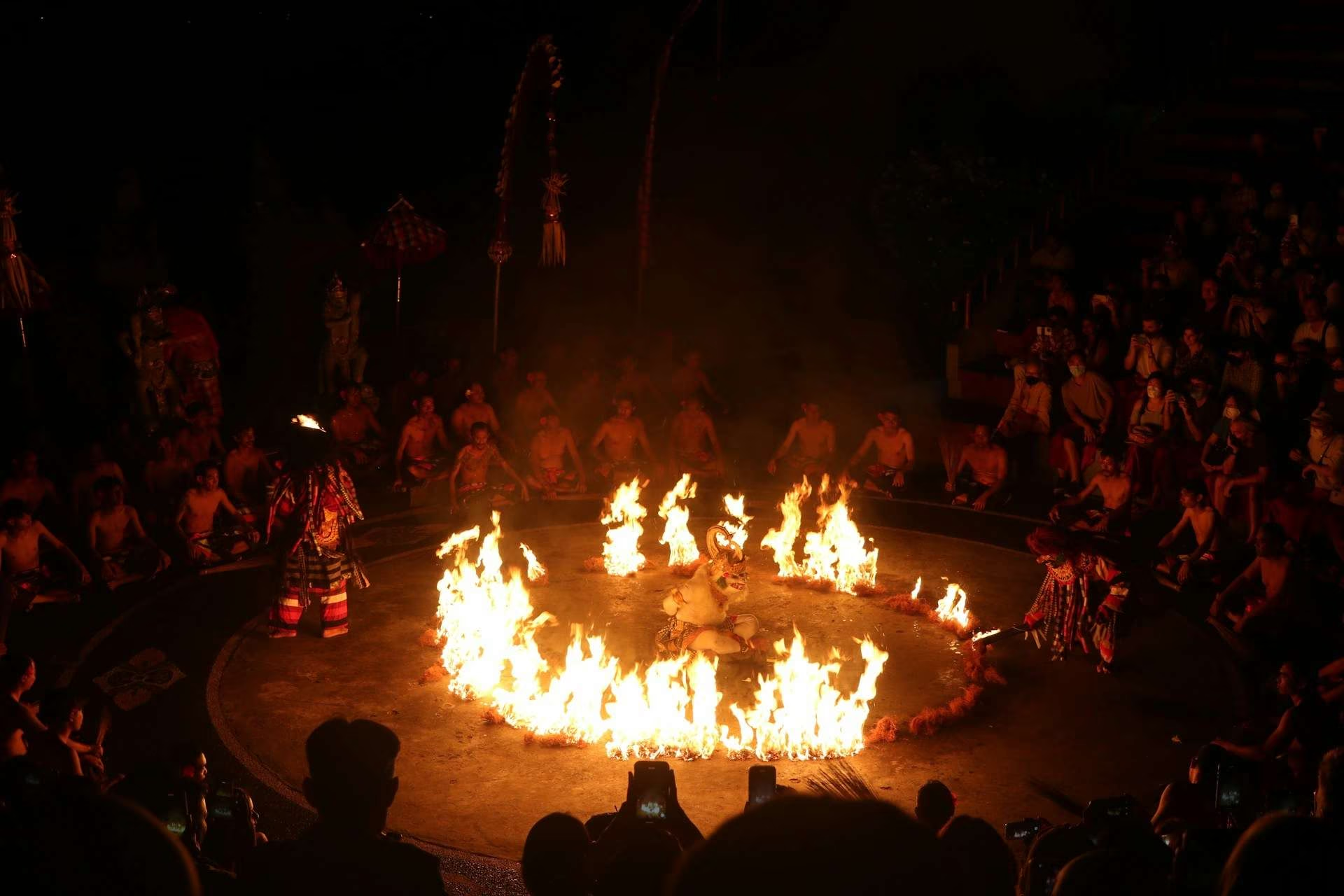
Uluwatu Kecak Dance is one of Bali's easiest cultural experiences to recognize and one of the hardest to understand from a short social-media clip. The performance is not simply a fire show. It combines a male vocal chorus, characters from the Ramayana, ritual influence, and an amphitheater built into Uluwatu's western cliffs.
The practical part matters just as much as the story. The main performance begins at 18:00 WITA, the popular sunset seats fill early, and the dance ticket is separate from the Uluwatu Temple entrance fee. Arriving with only a few minutes to spare is the quickest way to miss the atmosphere that makes this version special.
This guide explains what you will hear, who the main characters are, how the fire scene fits the story, what current tickets cost, when to arrive, and how to behave inside an active temple complex.
For the temple itself, read our Uluwatu Temple guide for history, entrance fees, opening hours and monkey safety.
Uluwatu Kecak Dance at a glance
If you only need the planning essentials, use the table below. Prices, schedules, payment methods, and extra sessions can change, so reconfirm close to your visit during peak periods or wet weather.
| Planning detail | Current information |
|---|---|
| Performance | Kecak and Ramayana story at Uluwatu Temple |
| Main session | 18:00-19:00 WITA, daily |
| Adult dance ticket | IDR 150,000 |
| Child dance ticket | IDR 75,000 for ages 2-9 |
| Best arrival window | Around 16:00-16:30 |
| Not included | Temple entrance and parking |
| Payment preparation | Bring physical Indonesian Rupiah |
| Performance setting | Open-air clifftop amphitheater at sunset |
From Sanghyang ritual roots to a Ramayana stage performance
Kecak was not originally created as a conventional stage show. Its roots are connected to Sanghyang, a Balinese ritual tradition associated with trance and spiritual protection. The modern dramatic form developed in the 1930s when Balinese artist Wayan Limbak worked with German painter Walter Spies.
They shaped elements of the vocal ritual into a performance that an audience could follow and built the dramatic structure around the Ramayana. That history explains why Kecak feels different from a standard dance recital: the chorus is not background music, but the force that holds the performance together.
The circle of men also carries symbolic weight. It communicates unity and protection, while fire functions as more than visual spectacle within the performance's spiritual and dramatic language.

What makes the Uluwatu Kecak Dance different
Three elements separate this performance from most other cultural evenings in Bali. Together they create the rhythm people remember long after the final scene.
No instruments, only voices
There is no gamelan orchestra. Layers of repeated cak chants, calls, and changes in tempo create the soundscape and carry the tension of the story.
Fire belongs to the story
The fire scene arrives as Hanoman escapes captivity and turns Rahwana's violence back against his kingdom. It is the climax, not a separate stunt.
A stage above the ocean
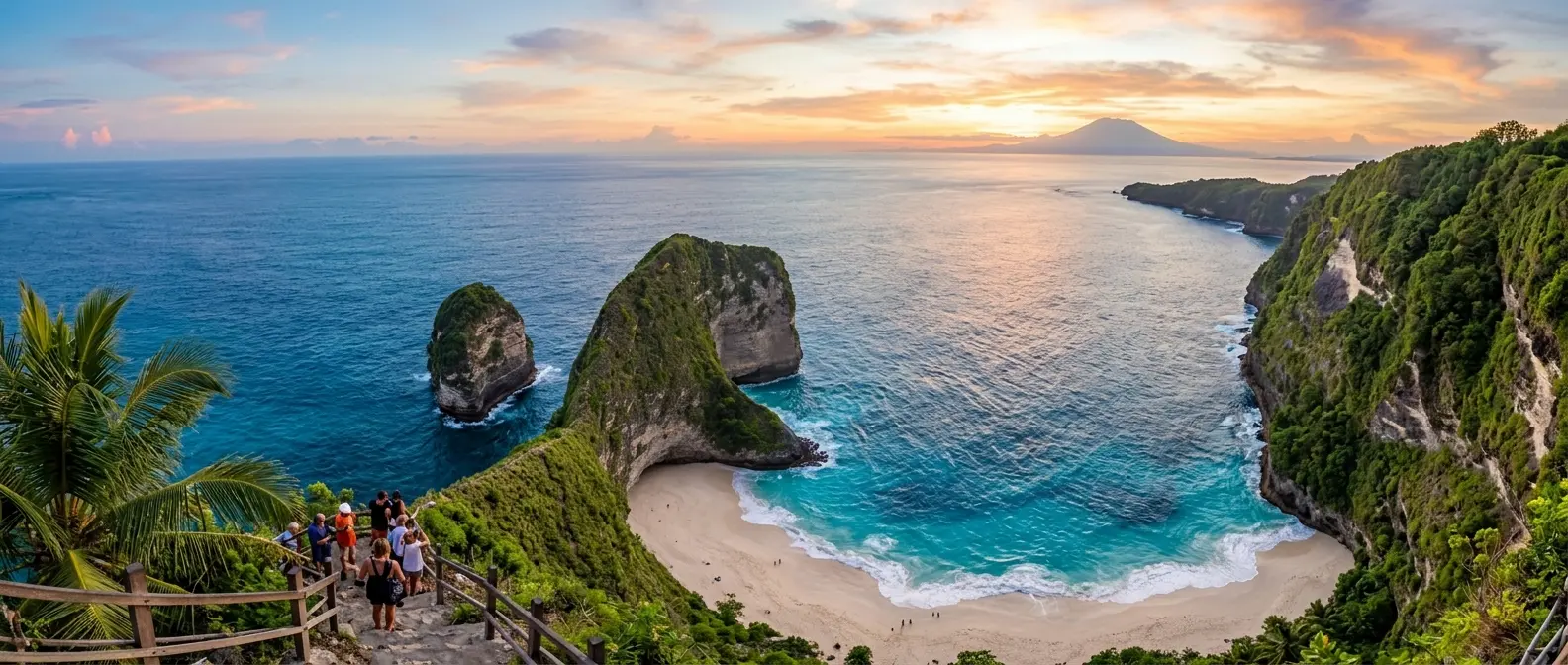
The amphitheater sits on Uluwatu's western cliff, roughly 70 metres above the Indian Ocean, so daylight fades as the drama becomes more intense.


The Ramayana story in five clear moments
You do not need to study the Ramayana before arriving, but knowing the main sequence makes the costumes, movement, and fire scene much easier to follow.
Rama and Shinta in exile
Prince Rama and his wife Shinta live away from the kingdom, beginning the part of the epic shown on stage.
Rahwana takes Shinta
The demon king Rahwana abducts Shinta and holds her in his palace, setting Rama's rescue mission in motion.
Hanoman finds Shinta
Hanoman, the white monkey warrior, reaches Rahwana's palace and carries Rama's message of hope to Shinta.
Hanoman enters the fire
Rahwana's forces capture Hanoman and surround him with fire, but the punishment does not destroy him.
The palace burns
Hanoman escapes and uses the fire against Rahwana's kingdom, helping the forces of good overcome evil.

Showtime, ticket prices and official contact options
The main performance is listed daily from 18:00 to 19:00 WITA. During busy periods, an additional later session may operate, but do not assume it is available unless the venue confirms it.
Current venue pricing lists adults at IDR 150,000 and children aged 2-9 at IDR 75,000. The Kecak ticket covers the performance; Uluwatu Temple admission and parking are separate costs.
For direct schedule or ticket questions, contact the performance team through @uluwatu_kecakdance or @kecak_kb_uluwatu.
The listed WhatsApp admins are +62 813-3967-9799 for Monday, Wednesday, Friday, and Saturday, and +62 812-3575-1279 for Tuesday, Thursday, and Sunday.
When to arrive and where to sit for the sunset
Aim to reach the temple area around 16:00-16:30. That gives you time to enter, secure loose belongings, walk part of the cliff path, handle tickets, and join the amphitheater before the best sunset-facing areas fill.
For a wider view of the chorus, stage, and ocean, the middle-to-upper rows are usually more useful than sitting very close. The exact sunset angle changes through the year, so ask venue staff which side gives the clearest view that evening.
Do not build the plan around arriving at 17:50. South Bali traffic can slow unexpectedly, and late arrival removes the temple and sunset context that makes Uluwatu different from an indoor Kecak show.
- Arrive around 16:00-16:30 rather than just before showtime
- Choose a middle or upper row for a broader stage-and-ocean view
- Bring sunglasses and water for the bright late-afternoon waiting period
- Keep hats, glasses, phones, and other loose items secure around the temple monkeys
Visitor etiquette inside the temple and amphitheater
Uluwatu remains an active Balinese Hindu temple, even when the amphitheater is busy with visitors. Dress modestly, follow the temple's sarong and sash requirements, and treat the performance as a cultural event rather than a casual beach attraction.
Once the show starts, stay in your place unless staff direct you to move. Keep conversations low, turn off flash, and avoid blocking another guest's view with a phone held above your head for long periods.
Travel light
Large bags are awkward on stone seating. Bring only what you can keep zipped and close to your body.
Skip drones and smoking
Drones are not appropriate around the temple or performance venue, and smoking is not allowed inside the amphitheater.
Respect the performers
Avoid flash, loud commentary, and unnecessary movement once the chanting and story begin.
Amenities and a simple Uluwatu evening plan
The venue area has a shaded rest space, cliff viewpoints, and an amphitheater designed for a large audience. Free Wi-Fi may be available around the venue, but mobile signal and event-day capacity can vary, so keep tickets and essential details accessible offline.
A practical evening is simple: arrive in the late afternoon, walk the clifftop temple area, watch the 18:00 Kecak Dance, then continue to Jimbaran or another South Bali dinner stop. If this is part of a longer trip, the 7-day Bali itinerary shows how Uluwatu fits naturally into the final days.
If you are deciding between performance styles and locations, compare this sunset show with the Ubud traditional dance schedule. Uluwatu wins on setting and scale; Ubud is often easier for a walkable evening.
Frequently asked questions
The main performance is scheduled daily from 18:00 to 19:00 WITA. Extra sessions may operate during busy periods, but should be confirmed directly.
Current listed prices are IDR 150,000 for adults and IDR 75,000 for children aged 2-9. Uluwatu Temple admission and parking are separate.
Arrive around 16:00-16:30 so you have time for temple entry, cliff views, tickets, and a better choice of amphitheater seating.
No. The Kecak performance ticket, Uluwatu Temple entrance, and parking are separate charges.
No gamelan orchestra accompanies the performance. The rhythm is created by the layered voices of the male chorus chanting cak in changing patterns.
It presents a condensed Ramayana episode involving Rama, Shinta, Rahwana, and Hanoman, culminating in Hanoman's escape through fire and the defeat of evil.
Wear modest clothing suitable for temple grounds. Follow local sarong and sash requirements and choose comfortable clothing for warm outdoor stone seating.
Yes. Because it is an outdoor performance, severe rain, unsafe conditions, ceremonies, or operational decisions may change, relocate, or cancel a session.
Build the Kecak Dance into a relaxed Uluwatu evening.
Share your hotel area and travel date. We will help you judge pickup timing, temple arrival, and the route after the performance without asking for prepayment.
.webp)