What this guide helps you decide.
- Ubud is one of Bali's best bases for travelers who want nature, culture, food, and wellness in the same stay.
- Three to five nights gives you time for central Ubud, countryside attractions, and one active day without rushing.
- Tegallalang, Tirta Empul, Monkey Forest, waterfalls, rafting, cycling, and traditional dance are all within practical reach.
- Ubud suits couples, families, solo travelers, and groups, but it is less suitable if nightlife and daily beach access are your top priorities.
Ubud is often described as Bali's cultural and spiritual heart, but its real advantage is balance. You can explore rice terraces or temples in the morning, enjoy a relaxed lunch, choose rafting or cycling in the afternoon, and finish with a traditional dance performance.
Unlike Bali's busier southern beach areas, Ubud is surrounded by valleys, rivers, forest, and working villages while still offering excellent restaurants, accommodation, shops, spas, and tour services.
For many first-time visitors, Ubud works best as a base for three to five nights. Staying longer helps you visit popular places early, reduce unnecessary driving, and leave space for the slower moments that make Ubud memorable.
1. Ubud puts Bali's green landscape around you
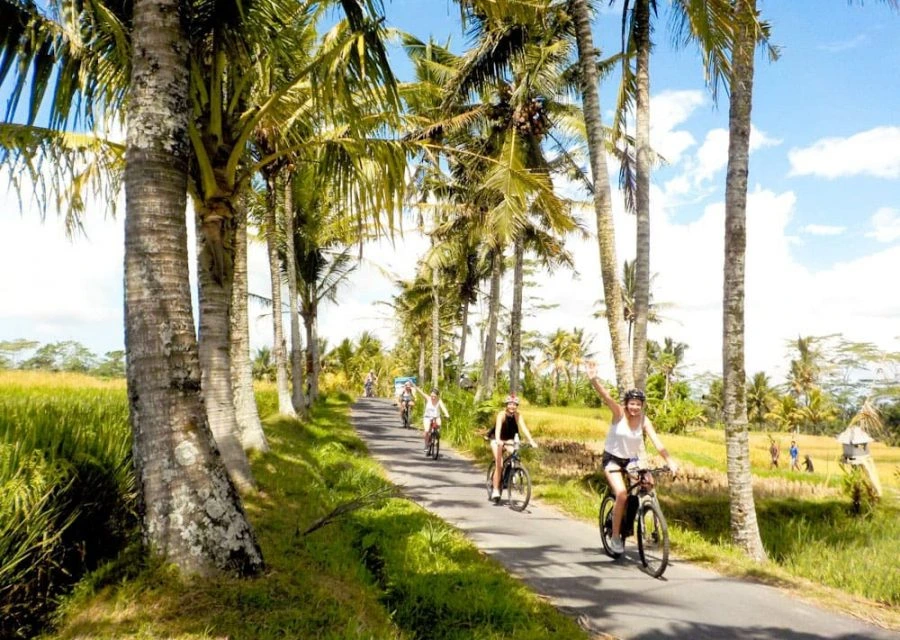
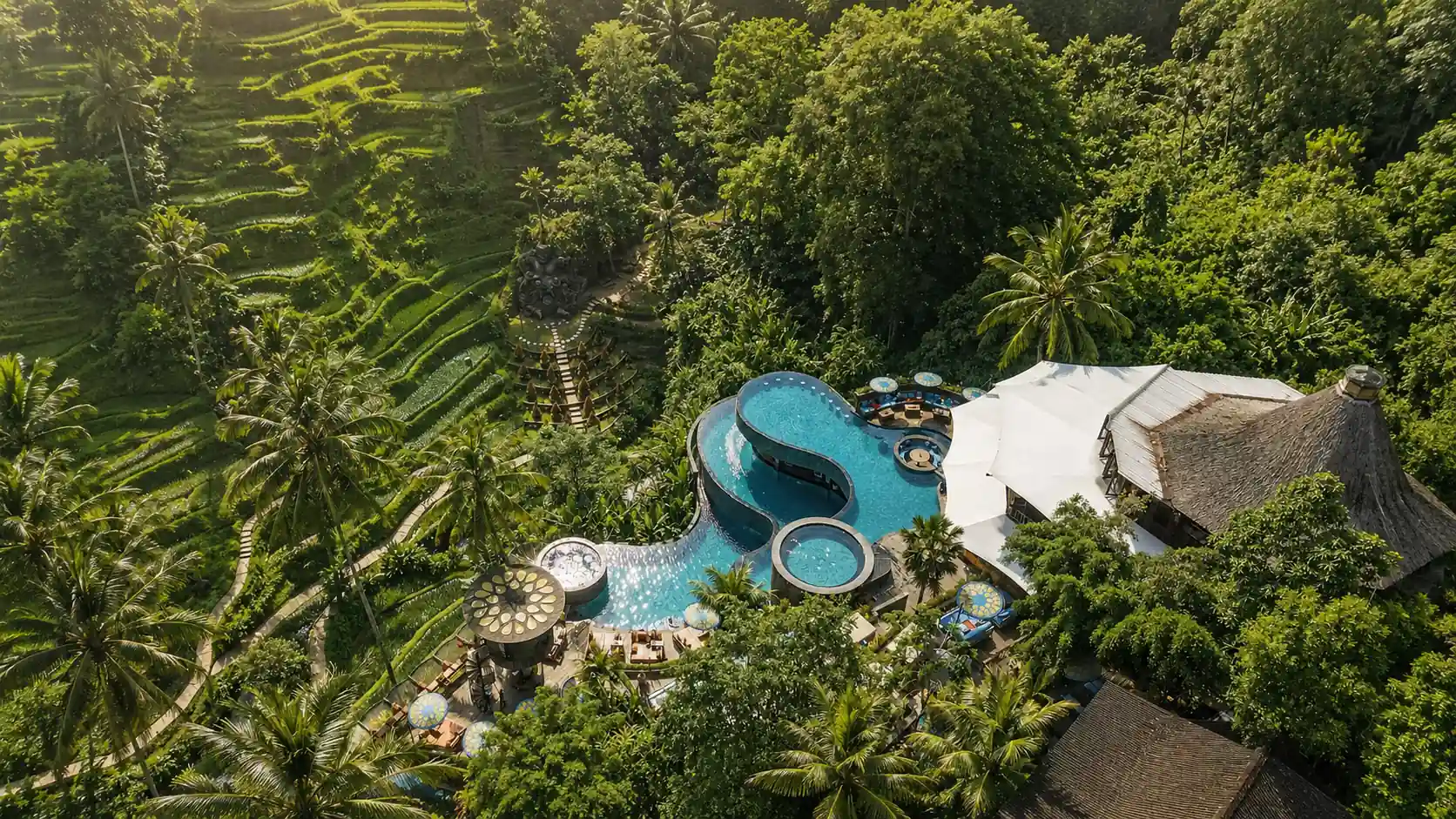
The first reason to choose Ubud is the landscape. Rice terraces, coconut palms, river valleys, and forested roads begin close to town and become more dramatic as you travel north or east. Tegallalang is the best-known example, but the wider Ubud countryside is full of smaller rice fields and village routes that feel less staged.
You can walk the Campuhan Ridge, cycle through village lanes, visit Tegenungan, Tibumana, or Kanto Lampo waterfall, or relax at a hotel overlooking the valley. The inland location can also feel fresher than the coast, especially in the morning.

2. Balinese culture is part of everyday life
Ubud is not only a collection of cultural attractions. Temples, family compounds, ceremonies, offerings, craft workshops, and community performance spaces are woven into the area. That gives visitors a better chance to understand Bali beyond its beaches.
In central Ubud, the Royal Palace, Saraswati Temple, and Art Market are easy to combine on foot. In the evening, venues around town host Legong, Barong, Kecak, and Ramayana performances. Farther out, Goa Gajah, Gunung Kawi, and Tirta Empul add history, stone architecture, and active religious traditions to a full-day route.
Wear the required sarong at temples, follow local instructions, and remember that many beautiful places are first and foremost sacred spaces.

3. It is Bali's strongest base for wellness and slower travel
Yoga studios, meditation classes, spas, sound-healing sessions, and retreat programs are easy to find around Ubud. Some travelers come specifically for wellness, while others simply use a massage, quiet cafe, or pool afternoon to balance a busy Bali itinerary.
That slower rhythm is one of Ubud's biggest advantages. It feels natural to leave part of the day open for a long breakfast, a walk through town, or time at your accommodation. Spiritual and purification experiences should always be approached respectfully as cultural and religious practices.

4. You can mix gentle sightseeing with real adventure
Ubud works for mixed groups because the activity range is broad. One traveler can choose a relaxed temple and rice-terrace route while another joins Ayung River rafting, an ATV ride, an eBike tour, or an early Mount Batur experience. Couples and families do not have to commit to the same intensity every day.
The Ayung River offers an approachable first rafting experience, eBike routes add active countryside travel, and ATV tours bring caves, jungle tracks, rivers, and mud. Mount Batur is also easier to reach from Ubud than from many southern resort areas.
- Choose an Ubud cultural tour for the widest sightseeing mix
- Choose an eBike route for villages, rice fields, and active countryside travel
- Choose rafting or ATV for a more adventurous half day
- Choose Mount Batur when sunrise is a priority and an early start is acceptable

5. The food scene works for almost every travel style
Ubud's dining scene ranges from family-run warungs serving Indonesian favorites to plant-based cafes, specialty coffee shops, modern tasting menus, and restaurants overlooking rice fields. That variety makes longer stays easier because meals can become part of the experience rather than a practical afterthought.
Ubud is not only for vegan travelers: Balinese dishes, grilled meats, seafood, international comfort food, and fine dining are widely available. Guests with dietary requirements should still confirm ingredients directly.

6. Accommodation ranges from simple stays to private villas
Ubud has guesthouses for budget travelers, boutique hotels for couples, family-friendly resorts, and private villas with jungle or rice-field views. The choice of area matters as much as the room itself.
Central Ubud is best for walking to restaurants, shops, the palace, and performances. The outskirts offer more space, quiet, and wider views, but often require a driver or hotel shuttle. Check actual road access and travel time before booking.

7. Ubud is a practical base for central and east Bali
From Ubud, day trips can reach Tegallalang, Tirta Empul, Gunung Kawi, Mount Batur, Besakih, east Bali temples, and several waterfalls without beginning from the far south. This makes Ubud especially useful for travelers whose wish list is weighted toward culture and inland scenery.
It is not the perfect base for everything. Daily beach time, sunset clubs, and nightlife are easier from the coast, so a strong first-time itinerary often combines Ubud with a beach stay.

Practical tips for planning your Ubud stay
Plan three to five nights if Ubud is one of your main Bali bases. Use one day for central Ubud and nearby cultural stops, one for the northern countryside, and one for an active experience or a deliberately slow day.
April to October generally offers easier conditions for walking, rice terraces, and waterfalls, although tropical showers can happen at any time. During wetter months, keep plans flexible and carry light rain protection.
Traffic around central Ubud can be slow. Group attractions by area, start popular places early, and avoid building an itinerary that crosses town repeatedly. A private driver is useful for a full sightseeing route, while walking is often the simplest choice inside the central area.
- Allow three to five nights for a comfortable first stay
- Start popular outdoor attractions early
- Keep one lighter day for food, wellness, or your hotel
- Combine Ubud with a coastal base if beach time is important
- Ask for route advice before booking several distant stops in one day
Is Ubud the right choice for your Bali vacation?
For travelers who want to understand Bali rather than only see its coastline, Ubud is one of the strongest places to stay. It brings nature, culture, spirituality, food, accommodation, and adventure together in a way that can suit very different ages and travel styles.
The best Ubud trip is not the one with the longest attraction list. It is the one that leaves enough time to notice the landscape, enjoy a meal, experience a temple respectfully, and return home feeling that the holiday had substance as well as beautiful photographs.
Frequently asked questions
Three to five nights is ideal for most first-time visitors. It gives you time for central Ubud, rice terraces and temples, one active experience, and a slower day.
Ubud is better for culture, green scenery, wellness, and inland day trips. Seminyak or Canggu is better for beaches, sunsets, nightlife, and easier access to beach clubs.
April to October generally offers drier conditions for outdoor sightseeing, but Ubud is a year-round destination and tropical showers can occur in any month.
Yes. Families can combine Monkey Forest, rice terraces, gentle cultural tours, pools, easy restaurants, and selected activities. Check age and fitness requirements before booking rafting, ATV, or trekking.
Not for central Ubud, where many places are walkable. A private driver is useful when combining rice terraces, temples, waterfalls, or attractions outside town in one day.