What this guide helps you decide.
- Adventure wellness in Bali is about using movement, effort, and natural settings to recover mentally, not just physically.
- Waterfall trekking and Mount Batur work especially well because the challenge is real but still accessible for many travelers.
- Rafting and ATV rides can create the same mental reset through forced presence and full-body focus.
- The best recovery days in Bali usually center on one strong activity instead of a packed checklist.
I used to think wellness travel meant lying on a massage table for two hours while someone played flute music in the background. Then I spent a morning hiking down five hundred steps to Nungnung waterfall with a client who'd just come out of a rough year at work, and watched him stand under the spray for ten minutes without saying a word. That's when it clicked. Recovery doesn't always look like stillness. Sometimes it looks like moving your body hard enough that your brain finally shuts up.
That's the idea behind adventure wellness, and it's quietly become one of the bigger travel trends coming into Bali this year. Instead of choosing between a spa retreat and an adrenaline trip, more travelers are realizing the two aren't opposites. A hard trek, a cold plunge under a waterfall, a sunrise climb up a volcano, these do the same thing a wellness retreat promises, just through sweat instead of stillness.
What actually happens to your body on a trek like this
There's real physiology behind why this works. Sustained physical effort, the kind you get from a two hour trek or a steep set of stairs down to a waterfall, burns off cortisol, the stress hormone that builds up from sitting in an office or staring at a phone. Add cold water immersion, which is exactly what you get standing under a waterfall in the highlands, and you get a jolt to your nervous system that a lot of people describe as the closest thing to hitting a reset button. It's the same principle behind cold plunge therapy, except you don't need a wellness clinic and a card machine. You need a pair of decent shoes and a waterfall that's already been there for a few thousand years.
Mount Batur: recovery through exhaustion
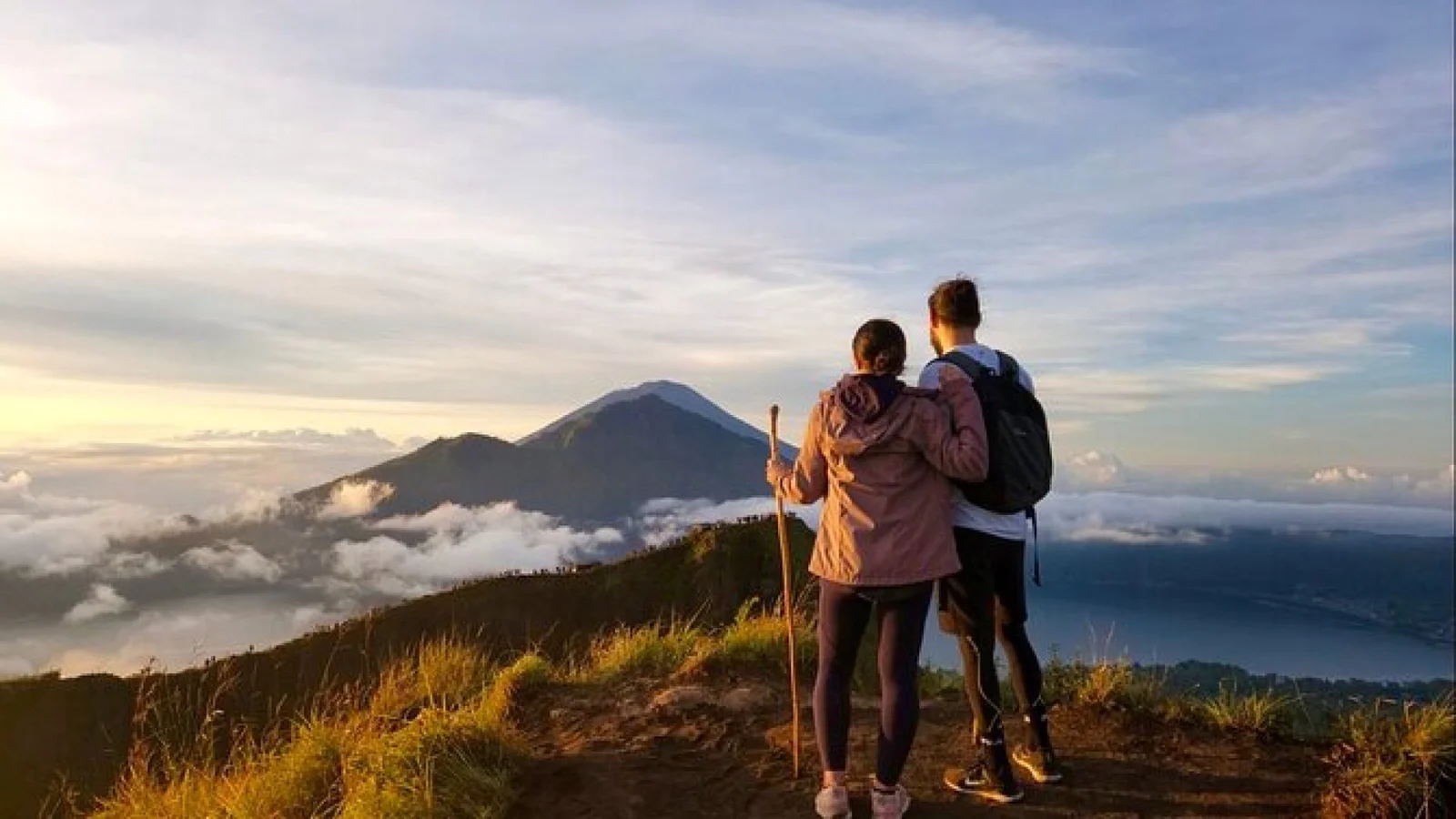
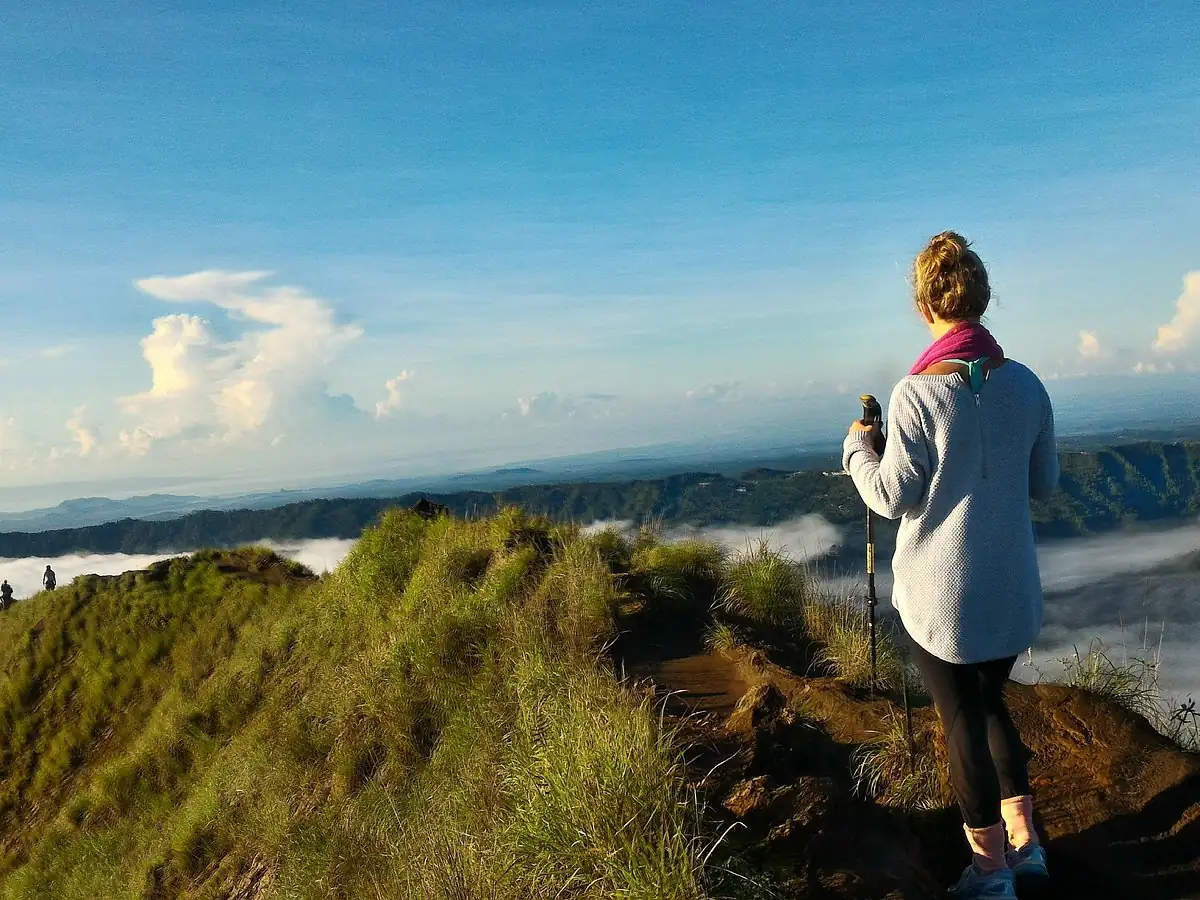
Our Mount Batur sunrise trek is the clearest example of this. After the briefing around 03:30, you walk uphill for about 1.5-2 hours in the dark. Allow another 1.5-2 hours downhill, and 8-12 hours hotel-to-hotel depending on pickup area, stops and conditions. By the time you reach the top, you're tired in a way that has nothing to do with jet lag or stress, it's just honest physical fatigue. And then the sun comes up over the crater rim and the whole thing resets your head for reasons that have nothing to do with the view being pretty. There's something about earning a sunrise with your legs that a hotel breakfast buffet can't replicate.
Waterfall trekking as a recovery ritual, not just a photo op
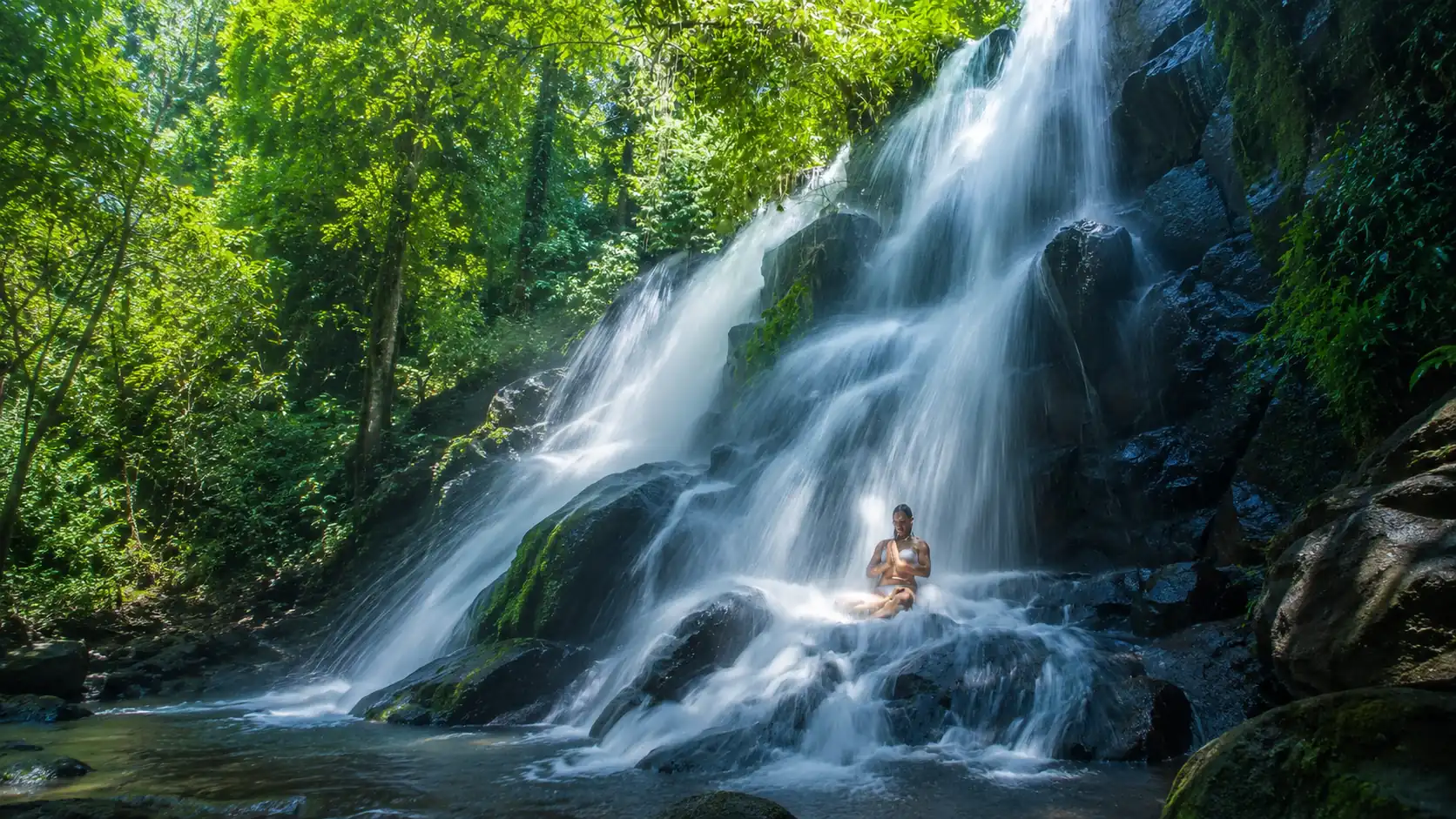
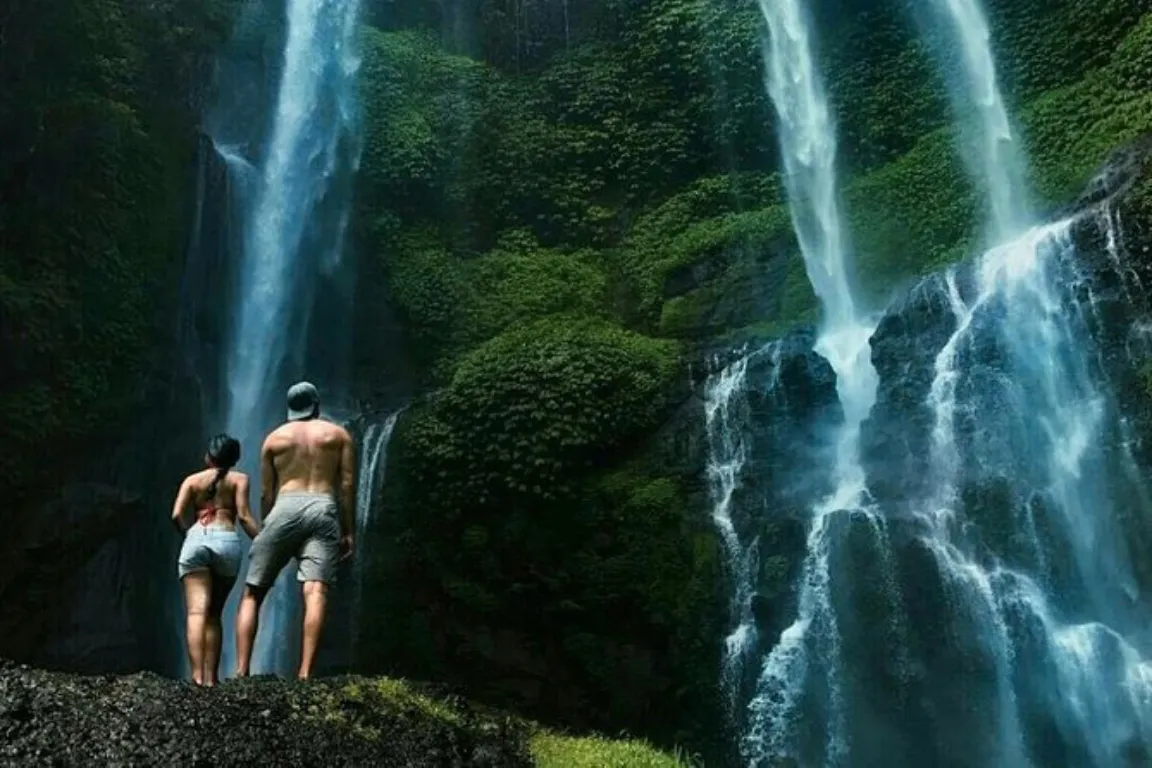
I wrote a full guide to the best waterfalls in Bali a while back, and looking back at it now, almost every one of them fits this same pattern. Nungnung has around 500 steps down, which sounds brutal until you're standing under the spray at the bottom and realize the climb was the point, not the obstacle. Sumampan has a deep pool carved into old mining rock where you can actually swim, not just wade in for a photo. Tukad Cepung sits inside a cave with a shaft of morning light cutting through it, and there's something almost meditative about sitting in that half dark listening to water hit stone.
None of these need to be treated as a box to check off an itinerary. Treat one waterfall a day as your reset button instead of trying to see five of them, and you'll actually feel the difference by the time you're back at your villa.
ATV and rafting: physical release without the yoga mat
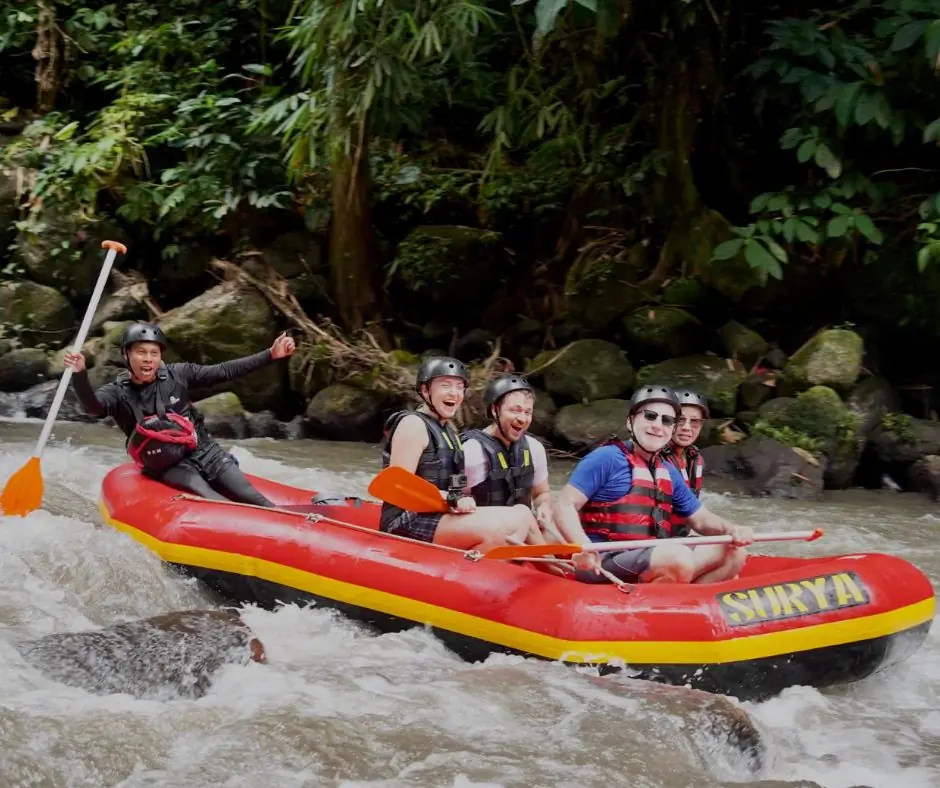
Whitewater rafting works the same way. You can't think about work emails while you're paddling through a rapid, your body takes over and your mind has to follow. It's forced presence, the same thing a meditation app is trying to get you to do, except nobody's asking you to sit still and breathe.
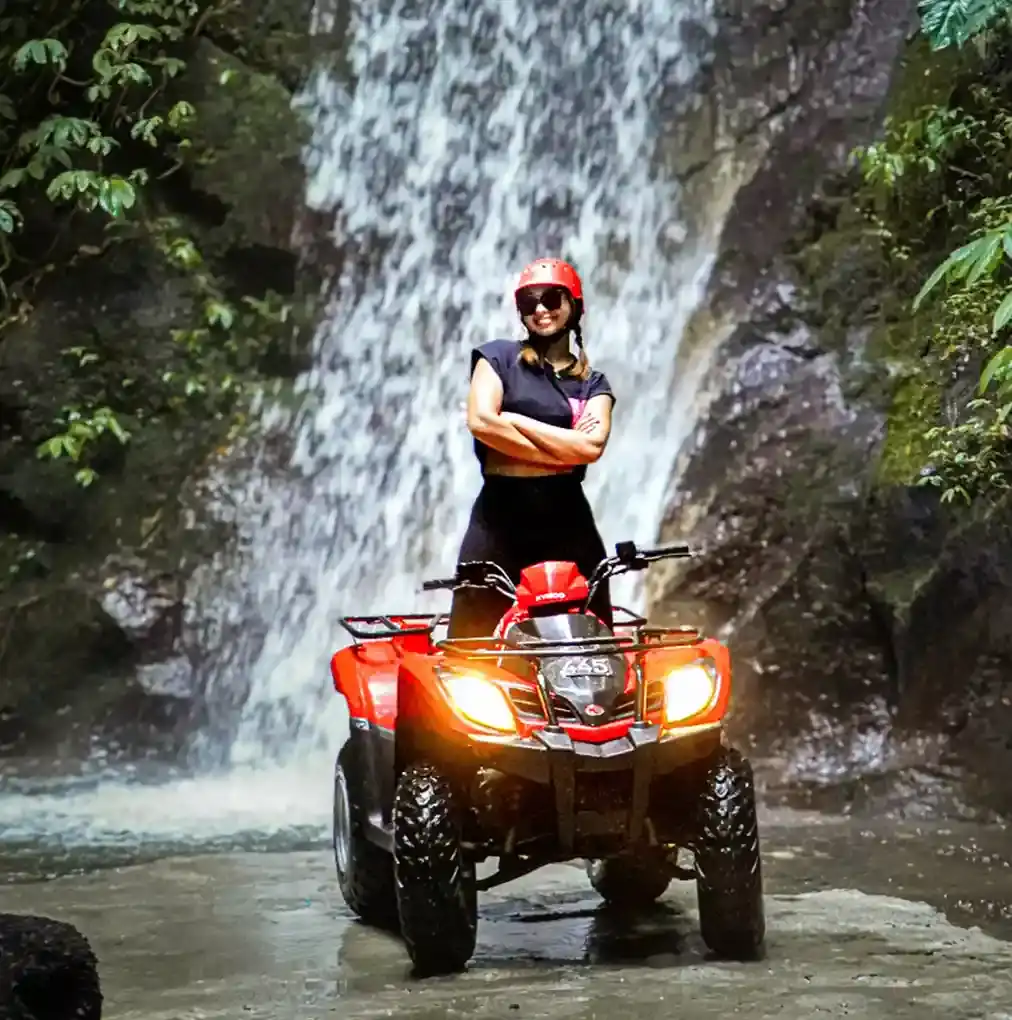
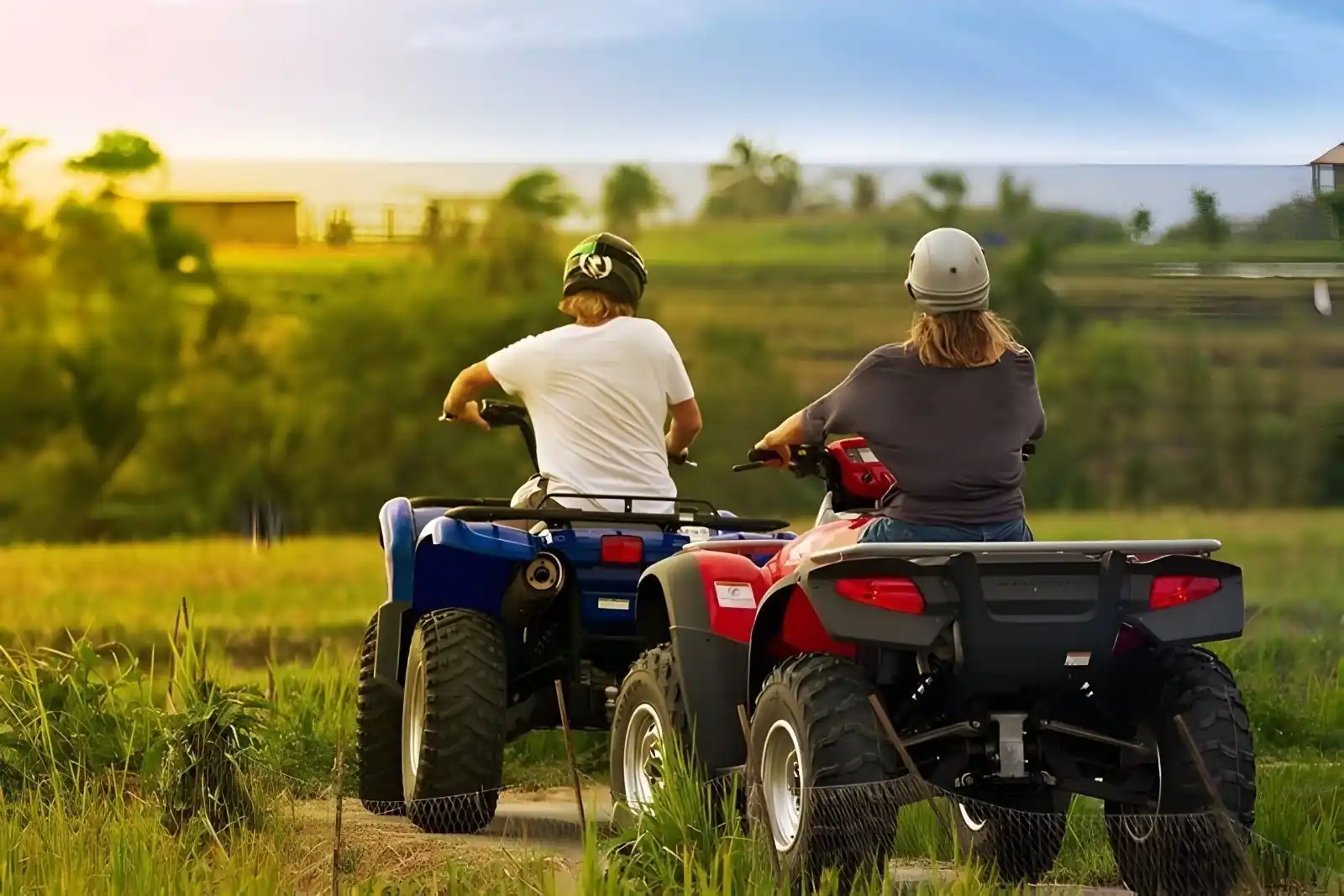
ATV rides through the rice terraces do something similar but at a different pace. It's rougher, muddier, and louder than a wellness retreat would ever admit to being, but the effect on your headspace afterward is close to identical. You come back covered in mud and somehow lighter than when you left.
How to build a recovery-focused day instead of a checklist day
If you're planning a trip around this idea instead of just ticking off famous spots, here's how I'd structure it. Pick one physical activity per day, not three. Batur trek in the morning, then rest the rest of the day rather than rushing to a beach club by noon. A waterfall in the highlands paired with a slow lunch nearby beats cramming in two or three falls before sunset. Rafting or ATV works best as a single afternoon activity, followed by nothing more demanding than a quiet dinner.
This is also just a more honest way to travel in Bali right now. The island is genuinely shifting toward slower, more intentional trips, fewer stops, longer stays, more time actually feeling a place instead of photographing it. Adventure wellness fits that shift better than a packed schedule of Instagram spots ever could.
Building your own recovery itinerary
This is exactly the kind of day we put together at baseBali Tours, private, at your own pace, built around one or two activities instead of a rushed checklist. Whether that's a Batur sunrise climb, a private waterfall trek, a rafting run down the Ayung, or an ATV ride through the highlands, we can build the day around how much recovery versus adrenaline you actually want, not a fixed group tour schedule.
If you want a custom day built around this, just message us directly and tell us what kind of reset you're actually looking for.
Frequently asked questions
It means using movement-heavy experiences like waterfall trekking, Mount Batur, rafting, or ATV rides as part of mental reset and recovery instead of treating wellness as something passive.
For a lot of travelers, yes. The effort is part of why it works. Once you are moving, sweating, and then cooling down under the water, the mental noise usually drops fast.
They do different things, but Mount Batur often gives a stronger reset because the physical effort and sunrise reward create a cleaner break from normal stress patterns.
A single waterfall stop or Ayung rafting is usually a softer entry point than a Mount Batur sunrise climb, especially if you still want scenery and movement without a pre-dawn start.
Usually no. This style works best when you choose one main physical activity and give yourself time to recover instead of stacking multiple demanding stops.